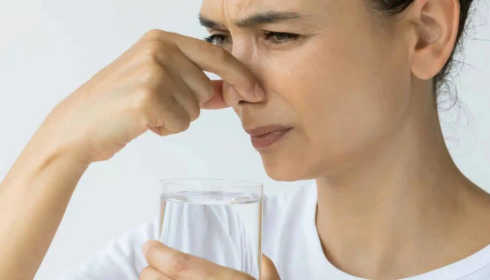

Let’s be honest — nothing throws off your day quite like turning on the tap, expecting a refreshing sip of water, and instead being hit with a foul smell or weird aftertaste. You take a cautious sniff. Yep, definitely not right. Maybe it reeks like bleach. Or sulfur. Or, strangely enough, wet dog. Whatever it is, it’s not what water is supposed to smell like. And suddenly, you’re wondering: should I even be drinking this?
You’re not alone. Across neighborhoods and cities, countless people are grappling with smelly water and puzzling tastes. The good news? You’re not doomed to plug your nose every time you take a sip. The even better news? Understanding the root of the problem brings you halfway to the solution.
First Off — Why Does Water Smell at All?
It might sound strange, but water isn’t actually supposed to smell like anything. If your water carries a noticeable odor, that’s a red flag.
A rotten egg smell? That’s likely hydrogen sulfide — a gas that forms from bacteria in groundwater or plumbing. A swimming-pool smell? That’s probably excess chlorine, commonly used as a disinfectant in municipal water supplies. Even earthy or musty odors can crop up from organic material in your pipes or water source, especially during seasonal changes.
And while many of these smells aren’t immediately dangerous, they sure aren’t inviting.
What’s With the Funky Taste?
Smell and taste are deeply connected — but water can go “off” in the flavor department for a whole range of reasons. High mineral content, for example, can leave a metallic zing, especially if you’ve got old iron or copper pipes. Algae blooms in source water can lead to weird, fishy undertones. And again, chlorine strikes — making your water taste like you just licked a public pool.
And then there’s the silent disruptor: stagnant water. If water sits too long in pipes (like in rarely used guest bathrooms), it can develop a stale, musty flavor. Not harmful, but far from refreshing.
If you’re constantly battling bad tasting water, don’t brush it off — your taste buds are trying to tell you something.
Is It Dangerous? Not Always, But Sometimes…
Here’s where it gets a bit tricky. Not all smelly or funky water is unsafe, but the cause of those changes can be. For instance, chlorine is safe in low levels — and even necessary to kill bacteria in city water systems — but too much can irritate your skin, eyes, and lungs. That chemical scent shouldn’t be so overpowering that it makes you wince.
Meanwhile, hydrogen sulfide gas (hello, rotten egg smell) isn’t toxic in small amounts, but if it’s seeping into your water from decaying organic material, you might also have bacterial contamination nearby.
So if your water consistently smells off, or you’re seeing signs like discoloration, staining, or skin irritation after showers, it’s time to investigate.
Where’s It Coming From? Let’s Trace the Source
The first step to fixing your water is pinpointing where the issue begins. If the smell or taste only comes from one faucet, the problem might lie in that fixture’s plumbing. But if the issue affects your entire home, it could stem from your water heater, supply line, or even the municipal source.
Here’s a quick breakdown:
- Only hot water smells? Might be bacterial growth in your water heater.
- Smell from all taps, hot and cold? Could be something in your incoming water supply.
- Smell only in the morning or after being away? Stagnation or buildup in pipes might be the culprit.
A simple water test can help identify chemical levels and microbial presence — and most cities offer them free or at a low cost.
Don’t Panic — Filter Smart
Once you know the cause, solutions can be surprisingly straightforward. For excess chlorine, a carbon filter (like the ones in most pitcher filters or faucet attachments) can do wonders. For hard water or sulfur issues, a whole-home system might be the better call — especially if the smell is unbearable or stains are showing up in your sinks and tubs.
Remember, no single filter fixes everything. Pick one based on your water’s actual problem — not just what’s popular at the hardware store.
And if you’re on well water? Testing regularly is even more crucial, since you’re the one responsible for its quality and safety.
A Word on Bottled Water (Again)
Let’s be real. Grabbing bottled water feels like a quick escape. And yeah, it’s okay for short-term situations. But it’s not a permanent fix — especially for cooking, cleaning, and bathing. Plus, bottled water isn’t necessarily more pure (despite the mountain spring vibes on the label), and the environmental toll? Huge.
Your best bet is making your own water supply better, not running from it.
It’s About More Than Just Taste
Fixing your water isn’t just about flavor. It’s about quality of life. You’ll notice it in your coffee. Your soups. Your showers. Heck, even your plants will thank you.
Clean, great-tasting water gives you confidence. You stop questioning every glass. You stop worrying about your kids’ water bottles. And best of all, you start drinking more water — because now it actually tastes good.
Final Thoughts: Trust Your Senses
If something smells off, it probably is. If it tastes funky, it’s worth figuring out why. We spend so much time fine-tuning our food, our air quality, even our skincare routines — yet many of us just live with subpar tap water.