When Water Talks: The Human Side of Smart Water Tech You Can’t Ignore
Let’s be honest: water’s always been there for us. From your morning shower to that evening glass before bed, it’s been the silent partner in your daily routine. But here’s the kicker—what if that dependable partner starts leaking secrets? Literally. Dripping behind the walls. Creeping under the floorboards. Wasting gallons before you even notice.
That’s where the unsung heroes step in. Not plumbers, not DIY fixes—but something way smarter. Let’s talk about the new age of water awareness, with all its techy charm and very real, very human impact.
The Calm Before the Drip
Imagine sipping your coffee in peace, oblivious to the fact that a pinhole leak is working overtime behind your bathroom wall. It’s not just the water you’re losing—it’s money, structure, peace of mind. That quiet drip is a time bomb.
For years, homeowners just had to hope they’d catch it in time. Water stains? Too late. Moldy smell? Game over.
Enter the guardians of modern plumbing: leak detectors. These small, often Wi-Fi-enabled devices now live under your sink or behind the washing machine, listening like loyal watchdogs. The second they sense moisture where there shouldn’t be any—BAM—instant alert to your phone. Think of it as a smoke detector for leaks.
It’s not just about technology; it’s about giving everyday people power over their homes in a way that was unthinkable even a decade ago.
Listening to Your Pipes (And What They’re Telling You)
Now, detecting leaks is cool. But what if you could go deeper? What if your plumbing system could whisper updates like, “Hey, someone left the tap running upstairs” or “Whoa! Your daily usage just tripled”?
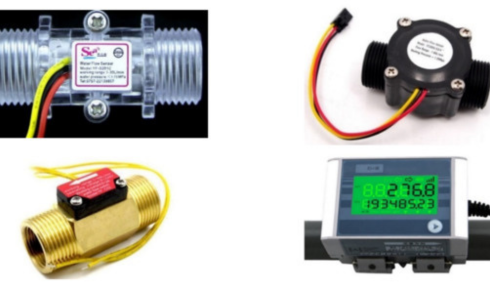
This is the magic of smart water monitoring. These systems don’t just stop disasters—they prevent them. They offer real-time dashboards that track everything: flow rates, pressure shifts, usage spikes. You don’t need to be a tech genius either—just a curious human who wants to understand what’s happening behind the walls.
I know, it sounds a bit too futuristic. But we’re already there.
Parents are using smart monitors to teach kids about water conservation. Landlords are using them to prevent property damage before it happens. And eco-conscious homeowners? They’re cutting their usage just by being informed. The ripple effect (pun intended) is real.
The Unseen Burden of Contaminated Tap Water
Of course, prevention is only part of the story. What about quality? You’ve probably heard the horror stories—lead pipes, industrial runoff, microbial nightmares.
Even the cleanest municipal supplies can fall short by the time water makes its journey through aging infrastructure into your glass. It’s a sobering thought, especially if you have kids, aging parents, or an immune condition in the household.
This is where drinking water systems come into their own. We’re not just talking about a clunky filter jug anymore. We’re talking about advanced under-sink filtration setups, UV purifiers, and reverse osmosis units that strip out lead, chlorine, pesticides—heck, even microscopic pathogens.
But here’s what’s interesting: it’s not just about health anymore. It’s about trust. People want to know their water is safe. And they want that knowledge without needing a chemistry degree.
A Shift in How We Think About Water
Maybe the coolest part of all this isn’t the tech—it’s the mindset shift. Water isn’t something we take for granted anymore. It’s something we’re learning to respect, to manage, to monitor.
I mean, we have smart locks, smart lights, smart thermostats—why wouldn’t water be part of the conversation?
There’s also a cultural piece to this. In areas hit by droughts or contaminated supply issues, smart water tech has become a symbol of resilience. It’s empowering people in real, measurable ways. In apartment complexes, entire communities are banding together to monitor usage. In disaster zones, rapid-deploy filtration systems are keeping people alive.
Water tech isn’t just for the rich with sleek homes and shiny apps. It’s becoming democratized, decentralized, and quietly essential.
The Humanity in Hydration
Look—I get it. Tech talk can feel cold. Wires, sensors, data dashboards… sounds like a job for an engineer. But what this movement is really about is people. Families protecting their homes. Renters avoiding disputes over water bills. Seniors being alerted when there’s an unnoticed leak under the kitchen sink.
And at the end of the day, it’s not about the sensor. It’s about what that sensor saves: your floor, your wallet, your health, your peace.
Sometimes, the most impactful innovations are the ones that don’t scream for attention. They just quietly do their job, day in and day out, in the background. Until one day, they save you from a costly disaster, or from drinking something you shouldn’t.
A Glass Raised to Progress
So, next time you run a bath, fill a kettle, or water your plants—spare a thought for what’s happening behind the scenes. A small revolution is unfolding in basements, under sinks, and in plumbing closets around the world.
It’s not flashy. It’s not loud. But it’s real. It’s necessary. And it’s kind of beautiful in its own quiet way.
Smart water technology isn’t about replacing the human touch. It’s about protecting it. Preserving it. Enhancing the rituals we barely notice but can’t live without.