How to Avoid Costly Mistakes When Selecting AGI Pipe Drainage and Civil Construction Materials
Any good construction project starts with decision-making that happens way before any installation is done. The choice of the materials, drainage system, and overall site evaluation plays an important role in the overall performance of the infrastructure in the long run. Choosing the correct AGI pipe drainage system is among the most crucial decisions that will ensure that the project will be safe from any water problems in the future. Despite the fact that the drainage elements and construction materials become invisible after completion of the project, they are very important for its sustainability.
Many construction failures are not caused by major engineering mistakes but by small oversights during the planning and selection process. Choosing products based only on initial cost, failing to consider environmental conditions, or overlooking installation requirements can create problems that appear years later. These issues can result in structural damage, drainage failures, project delays, and increased maintenance expenses.
The selection of the appropriate construction material depends on several factors, including the project environment, expected performance criteria, and future requirements. For example, issues like soil conditions, depth of the water table, climate exposure, traffic load, and maintenance after construction will determine the types of products to be used. Having a well-thought-out plan will help construction experts eliminate any unnecessary risks. Through a consideration of the site conditions, product specifications, and the full life cycle of the construction materials, decisions can be made for better and stronger infrastructure. This article will discuss the common errors that are committed during drainage system and construction materials selection.
Understanding Site Conditions Before Choosing Materials
One of the most overlooked steps in construction planning is failing to properly assess site conditions before selecting materials. Every project location presents different challenges, and these conditions determine how effectively drainage systems and structural components will perform.
Soil characteristics are among the first factors that should be evaluated. Different soil types behave differently when exposed to moisture, pressure, and movement. Clay soils may retain water and create drainage challenges, while sandy soils may require additional considerations to prevent material movement. Rocky ground, unstable soil, and areas with high groundwater levels can also affect installation methods and product performance.
Choosing materials without knowledge of the environment might result in issues like bad drainage, settling, cracking, and early degradation. A particular material that works well in one environment may not have the same outcome in another environment. The frequency of rainfall in an environment and the climatic conditions should also affect the choice of materials. Heavy rainfall requires drainage systems that can handle large volumes of water, while extreme weather conditions require materials that can withstand expansion and contraction.
Groundwater levels are another important consideration. Excess moisture around foundations, roads, and underground structures can create pressure and contribute to long-term damage if drainage systems are not designed correctly. Understanding how water moves through the site allows engineers to select suitable drainage solutions and installation methods. Load requirements must also be carefully evaluated. Materials installed beneath roads, commercial developments, industrial sites, or high-traffic areas need to withstand greater forces than those used in lighter applications. Ignoring expected loads can result in structural failure and expensive repairs.
Future maintenance needs have to be taken into consideration during the design phase. Certain systems are hard to gain access to after construction has been completed. Using materials and designs that facilitate access and inspection will ease any future troubles and make construction more efficient. The site assessment process may involve activities such as soil analysis, consulting engineers and specialists, conducting drainage studies, and seeking expert advice. This investigation can yield some information that will prove useful in selecting appropriate materials. It would be less risky to take the time to analyse the site conditions and select materials accordingly.
Selecting the Right AGI Pipe Drainage System for Long-Term Performance
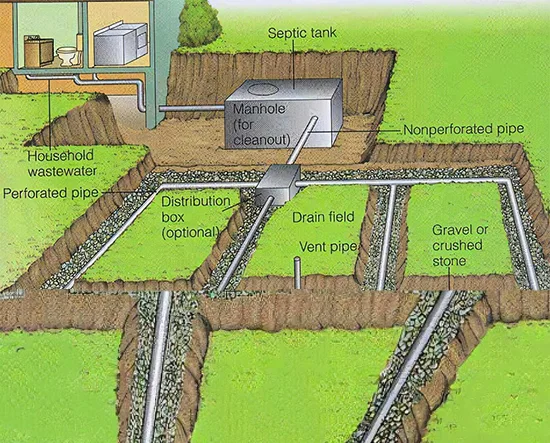
Effective drainage is essential for protecting infrastructure from water damage. Poor drainage design can contribute to soil erosion, flooding, foundation issues, pavement deterioration, and reduced structural stability. Selecting the right drainage solution requires careful consideration of water movement, installation conditions, and expected service performance. AGI pipe drainage systems are commonly used in applications where controlling groundwater and managing excess moisture are important. These systems help collect and redirect water away from areas where accumulation could affect structures, landscaping, roads, and other infrastructure elements.
One common mistake is choosing drainage products based only on price or basic dimensions. While pipe size is important, it is only one part of the decision-making process. Other factors, including filtration performance, pipe strength, surrounding soil conditions, installation depth, and expected water volume, must also be considered. A drainage system must match the specific requirements of the project. Selecting a system with insufficient capacity may result in poor water management during heavy rainfall, while an unsuitable design may allow water to remain trapped in areas where it can cause damage.
Installation is equally as critical as choosing the right products. Drainage components of superior quality might still fail if they are installed improperly. Improper trench preparation, improper placement, wrong type of fill materials, and lack of proper protection can decrease the effectiveness of the drainage system and shorten its lifespan. The materials surrounding the drainage components during installation affect their performance too. Many drainage systems use filter media or aggregate, which allows water to flow while preventing soil from moving. Using the wrong materials can cause blockages and system failure.
Another important consideration is long-term maintenance. Although well-designed drainage systems are built for durability, inspections and maintenance help identify developing issues before they become major problems. Systems that allow easier access and monitoring are generally more manageable throughout their lifespan. Compliance with relevant engineering standards and project specifications should also be considered. Different applications may have specific requirements relating to safety, performance, and environmental conditions. Selecting products that meet appropriate standards helps support reliable outcomes. The most effective drainage decisions combine technical requirements with practical site knowledge. By evaluating water flow, installation conditions, and future maintenance needs, construction teams can reduce risks and create drainage systems that continue performing effectively over time.
Avoiding Common Mistakes When Choosing Civil Construction Materials
The choice of the right civil construction material greatly affects the durability and safety of the project. Roads, water drainage systems, walls and fences, commercial buildings, and community facilities all require strong material that is capable of working under harsh conditions. The most common mistake that one makes while choosing material for construction is opting for the cheapest one. While it seems like a good idea, it is not, since the use of cheap material might lead to bigger expenses in terms of repairs, replacements, delays, and maintenance. It is necessary to evaluate the total value of the product during its whole lifetime, which involves its price, installation process, durability, and other possible expenses related to it.
Material compatibility is another factor that should not be overlooked. Construction projects usually involve multiple systems working together, including drainage, foundations, pavement structures, and underground services. Each component must function effectively as part of the complete design. Quality assurance is also essential when selecting construction materials. Product specifications, technical documentation, testing information, and compliance details provide important evidence about whether a material is suitable for a particular application.
Environmental exposure must always be taken into account. Materials that have to be used in wet environments, along the coast, chemical exposure areas, or in highly trafficked locations will have particular performance criteria. Ignoring these criteria while selecting the material means increasing the chances of early decay. Another common mistake in material selection is failing to consider the installation process. There are some materials that need to be installed under particular conditions only.
Supply reliability is also important for maintaining project schedules. Material shortages or unexpected delays can increase costs and affect completion timelines. Planning ahead and confirming availability before construction begins helps reduce these risks. Sustainability is becoming increasingly important in modern construction. Durable materials that require fewer replacements can reduce waste and improve the long-term environmental performance of a project. Responsible material selection supports both practical and sustainability goals.
Effective communication among the engineers, contractors, suppliers, and project managers makes the decision-making process better because each side possesses some useful knowledge that will be helpful to detect any possible problems before they affect the project. When making the right choice of materials, it is necessary to take into account not only the material characteristics but also its cost and durability.
In Brief
Making no mistakes in choosing the appropriate drainage system and the construction materials is very important in order to ensure the successful operation of any infrastructure facility in the future. It is necessary to choose an appropriate AGI pipe drainage solution in order to manage water flow successfully and protect the facility from any damage. Civil construction materials are essential for ensuring that facilities perform well under different environmental conditions.
The most important decisions are often made before construction begins. Understanding site conditions, evaluating product specifications, considering installation requirements, and planning for future maintenance all contribute to successful project outcomes.
Using materials simply because they will save you money in the short term may lead to costly mistakes further down the line. A better strategy would be to evaluate the entire life cycle of the various products and choose those that offer reliability and value. Infrastructure can be strengthened through careful planning, accuracy, and making the right decisions. When the demands of the project are analysed properly and the right drainage and building materials are chosen, safety is guaranteed.