Creating a Healthier Home Starts With the Air You Breathe and the Water You Use
A home is supposed to be the place where you can relax, take a deep breath, and forget about the outside world for a while. Yet the things that affect our comfort aren’t always the ones we notice immediately. Dust settles on furniture a day after cleaning, the kitchen tap develops mineral stains, or the water from the shower has a smell that wasn’t there before. None of these problems necessarily means something serious is wrong, but they can be signs that your home deserves a closer look.
Indoor comfort depends on more than attractive rooms and working appliances. The air we breathe and the water we use every day both play a part. Understanding their quality, and knowing when a practical improvement makes sense, can help you create a home that feels cleaner and easier to maintain.
The Everyday Factors That Affect Indoor Comfort
Think about an ordinary morning. You wake up, open the curtains, make coffee, and perhaps switch on the heating or air conditioning. Dust, humidity, ventilation, and the condition of your water supply are all working quietly in the background. We rarely pay attention to them unless something changes.
Indoor air can contain particles from cooking, cleaning products, outdoor pollution, pet dander, and other everyday sources. Poor ventilation may allow some pollutants to build up, while excessive humidity can encourage mold growth. On the water side, dissolved minerals can leave scale on faucets and appliances, and certain substances may affect taste, odor, or safety.
The first step isn’t necessarily to buy new equipment. It’s to identify what is happening. A room that feels stuffy may need better ventilation, while a recurring water stain could be caused by mineral deposits rather than a dirty plumbing system. Looking at the source of the problem helps prevent unnecessary spending.
Why Cleaner Indoor Air Matters
We spend a considerable amount of time indoors, whether we’re working, cooking, sleeping, or simply relaxing after a long day. That’s one reason air purification has become an important consideration for many households.
Air purifiers use different technologies to address different airborne particles and pollutants. High-efficiency particulate air (HEPA) filters, for example, are designed to capture a wide range of airborne particles when used in a properly designed system. Activated carbon filters can help reduce certain gases and odors, although their effectiveness depends on the type and amount of carbon and the substances involved.
Choosing a unit involves more than comparing the number of filters or features listed on the packaging. Room size, airflow, noise level, filter replacement costs, and the type of pollutant you want to address all matter. A small unit may not provide enough clean air for a large living room, while a powerful model could be unnecessary for a compact bedroom.
It is also worth remembering that an air purifier isn’t a substitute for good ventilation or removing pollution at its source. Using an exhaust fan while cooking, avoiding indoor smoking, managing moisture, and maintaining heating and cooling equipment can all support better indoor conditions.
Understanding the Water That Reaches Your Tap
Water can look clear and still contain dissolved minerals or substances that aren’t visible. Its characteristics depend on the source, local geology, treatment processes, and the plumbing through which it travels. Even neighbouring homes may experience different issues because their pipes, fixtures, or water sources aren’t identical.
Hard water is one common concern. It contains higher levels of calcium and magnesium, which can leave white deposits on shower screens, reduce soap lather, and gradually build up inside water heaters. Iron may contribute to reddish stains, while sediment can collect in fixtures or affect the appearance of water.
However, these signs don’t tell the whole story. Some contaminants cannot be detected through taste, smell, or appearance. That’s why water quality should be assessed using reliable information and appropriate testing rather than assumptions.
If your home uses municipal water, reviewing the supplier’s water-quality report can be a useful starting point. Private well owners generally need a testing schedule suited to local conditions and possible risks. Where health-related contaminants are a concern, use an appropriate testing method, including certified laboratory analysis when necessary.
Choosing Treatment That Matches Your Needs
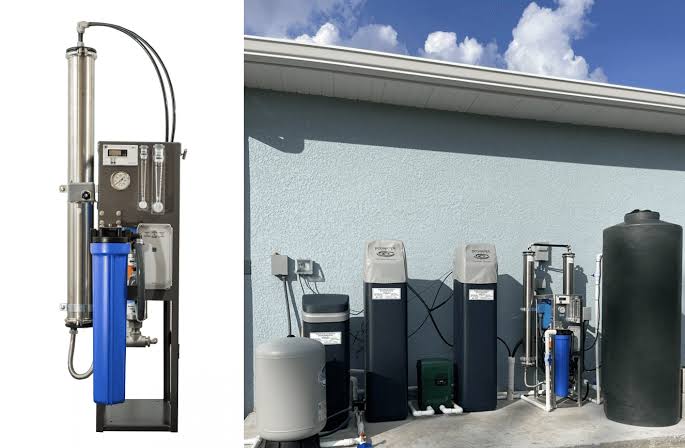
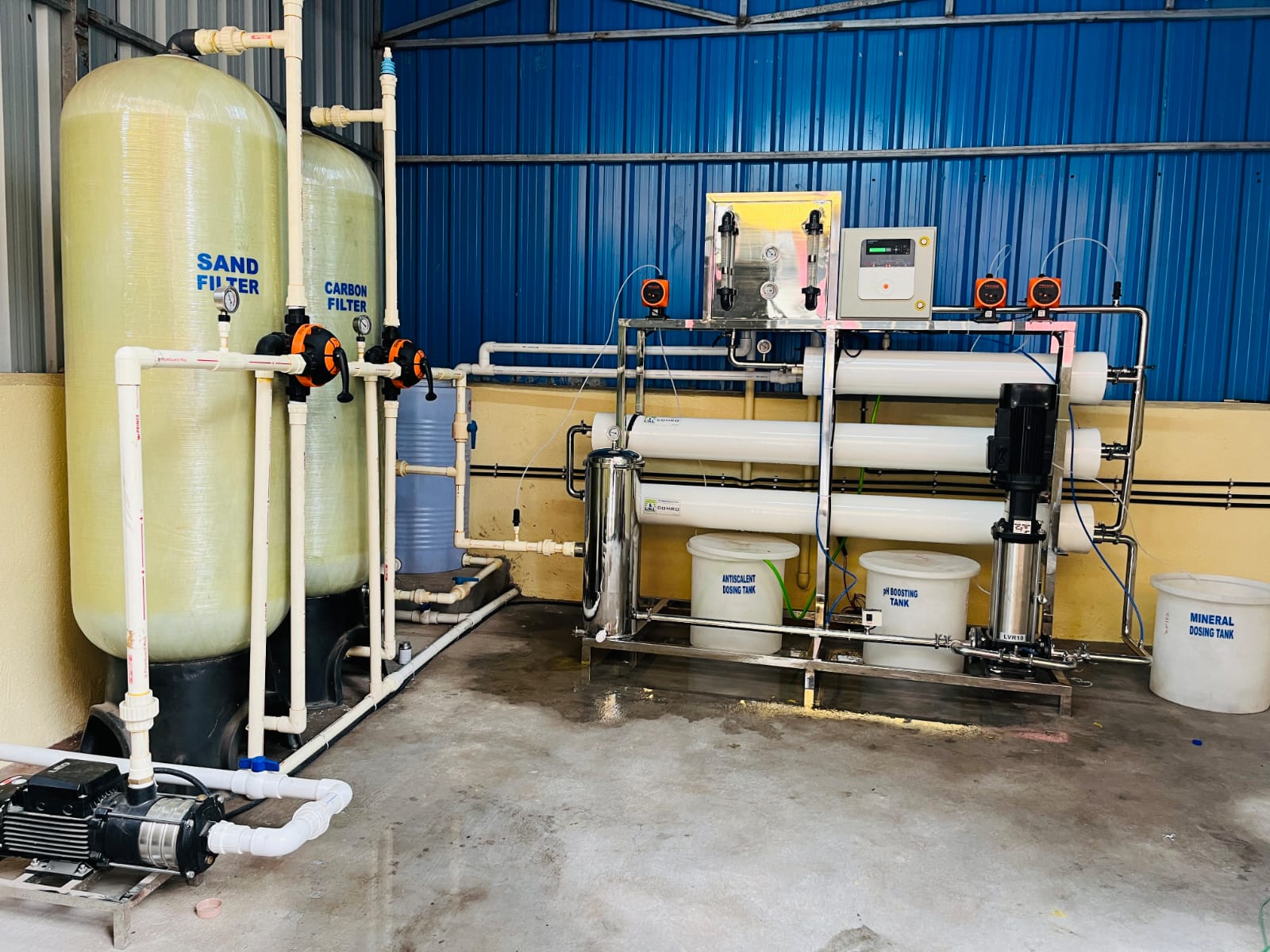
Water treatment equipment is designed to solve particular problems, and no single system removes every unwanted substance. A sediment filter captures particles, activated carbon can reduce certain tastes and odors, and a water softener addresses hardness minerals. Reverse osmosis systems can reduce many dissolved substances, depending on the model and its verified performance.
The right choice depends on the test results, household water use, installation space, and maintenance budget. If the main issue is scale around bathroom fixtures, a softener may be worth investigating. If the concern is drinking-water taste, a point-of-use filter might be more appropriate. If testing identifies a specific contaminant, the selected system should be certified or otherwise verified for reducing that substance.
This is where customized water treatment solutions can be useful. Rather than installing equipment simply because it is popular, a tailored approach considers the home’s actual water conditions and the way the household uses water. Some properties may need one straightforward filter, while others may benefit from a combination of technologies.
Ask a provider to explain what each component does, what it cannot do, and how its performance will be checked. Clear answers are more valuable than broad promises about making all water completely pure.
Don’t Overlook Maintenance
Even good equipment needs attention. Air purifier filters collect particles and eventually require replacement. Water filters have service lives, softeners may need salt, and reverse osmosis membranes need periodic changes. Ignoring these tasks can reduce performance and leave you wondering why the system no longer seems effective.
Keep a record of installation dates and maintenance visits. Follow the manufacturer’s instructions, and pay attention to changes in airflow, water pressure, taste, or odor. If something changes suddenly, don’t assume the filter is automatically to blame. The source water, ventilation, or plumbing may need further investigation.
It also helps to consider ongoing costs before purchasing equipment. Replacement filters, electricity, servicing, and other supplies can add up over time. A system should fit comfortably into both your home and your budget.
Small Improvements Can Make a Lasting Difference
A healthier, more comfortable home doesn’t require every available device or the most expensive equipment on the market. Often, the best starting point is a simple assessment: improve ventilation, manage moisture, identify the source of recurring water problems, and test when appropriate.
Once you understand the issues, you can compare practical options and make changes in stages. That approach gives you room to learn what works instead of committing to an elaborate setup that may not be necessary.
Ultimately, indoor air and household water deserve attention because they are part of everyday life. With reliable information, sensible equipment choices, and regular maintenance, you can make your home feel fresher, work more smoothly, and remain a comfortable place to return to at the end of the day.