Smarter Water Management: Protecting Your Home From Leaks and Water Problems
Most homeowners don’t think much about their plumbing until something goes wrong. A dripping tap is easy enough to ignore for a few days, and a slightly higher water bill might not seem worth investigating. But a hidden pipe leak behind a washing machine or beneath a kitchen sink can quietly waste water and cause expensive damage before anyone notices.
That’s why modern water management is about more than fixing problems after they appear. With better monitoring technology, sensible maintenance, and a little attention to water quality, homeowners can protect their property and make everyday water use more efficient. The technology doesn’t have to be complicated, either. Sometimes, one useful device or a simple change in routine can make a real difference.
Why Hidden Water Leaks Deserve Attention
A burst pipe is hard to miss. A slow leak, on the other hand, can continue for weeks without attracting much attention. Water may seep into cabinets, damage flooring, encourage mold growth, or gradually weaken materials around the affected area.
Common trouble spots include washing machine connections, water heaters, refrigerator supply lines, toilets, and pipes hidden inside walls. Older plumbing deserves particular attention, although even recently installed fittings can fail because of wear, pressure changes, or poor installation.
The financial impact goes beyond the repair itself. Homeowners may face damaged belongings, restoration expenses, and higher water bills. In some cases, a leak can also disrupt daily routines while contractors investigate and repair the affected area.
A quick visual inspection every so often is a good starting point. Look beneath sinks, around appliances, and near exposed plumbing for damp patches, corrosion, or unexplained moisture. Pay attention to water meter readings, too. If all water-using fixtures and appliances are switched off but the meter continues moving, there may be a leak somewhere in the system.
Of course, not every unusual reading indicates a damaged pipe. Toilets with leaking internal valves, automatic appliances, and other water-consuming equipment can also be responsible. The point is to investigate early, before a small issue becomes a major headache.
How Smart Leak Detection Changes Home Protection
Traditional leak prevention usually depends on someone noticing a problem. Smart monitoring adds another layer of protection by using sensors, flow measurements, and connected devices to identify unusual water activity.
Some systems monitor specific locations, such as the area beneath a water heater. Others track water flowing through the main supply line and look for patterns that might indicate a leak. Depending on the product, homeowners may receive an alert through a smartphone app or be able to shut off the water remotely.
For people who travel frequently, own rental properties, or leave their homes empty for extended periods, that early warning can be particularly useful. A small leak discovered quickly is generally easier to manage than one that continues unnoticed throughout a week-long holiday.
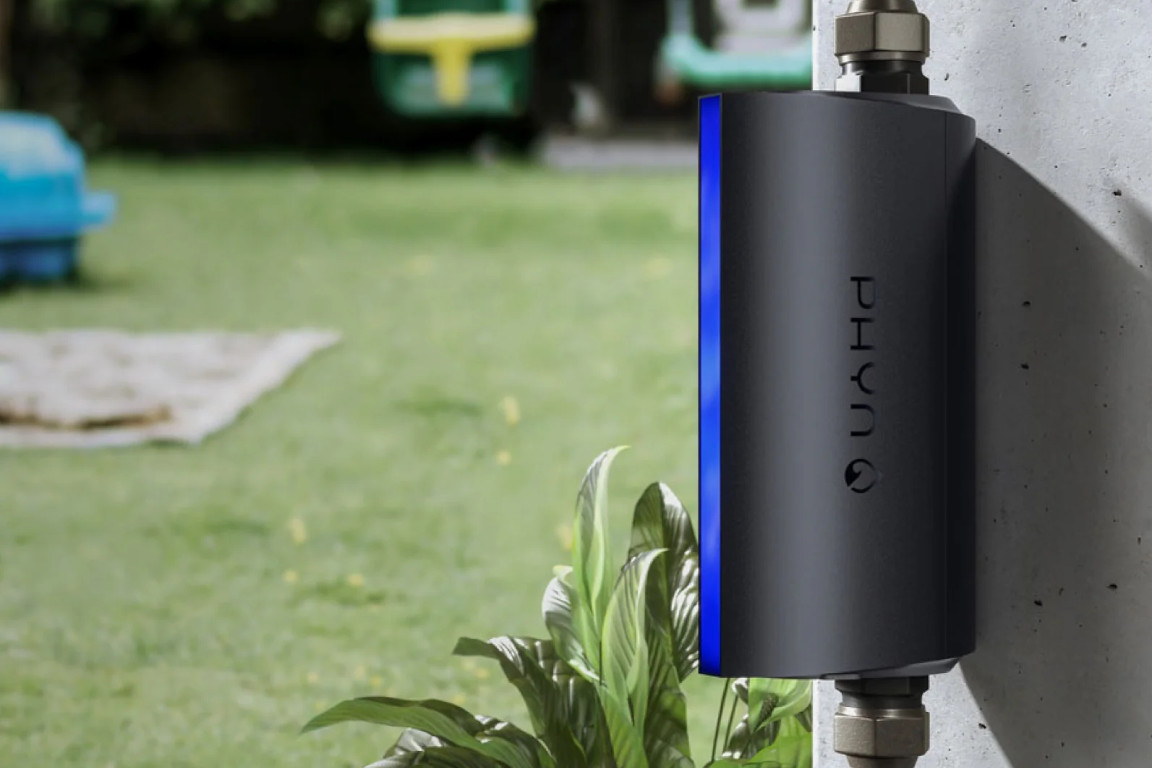
Products such as phyn smart leak detection illustrate the growing interest in connected plumbing protection. Depending on the model and installation, smart leak detection technology can monitor water use, identify certain abnormal flow patterns, and alert homeowners to potential problems.
It’s important, however, to understand what a particular device can actually do. Some products detect moisture only where a sensor is placed, while others analyze flow through a connected pipe. Detection capabilities, automatic shutoff features, and app functions vary between models.
Smart technology reduces the need to rely entirely on visual checks, but it isn’t a guarantee against every leak. Devices need suitable installation, reliable connectivity where required, and regular checks to confirm that they’re operating properly.
Understanding the Difference Between Water Leaks and Water Quality
Leak detection and water treatment are related parts of home maintenance, but they address different concerns. One helps identify unwanted water escaping from pipes; the other focuses on the characteristics and suitability of the water coming through the tap.
A home can have excellent plumbing and still experience water quality concerns. Hard water, for example, contains elevated levels of calcium and magnesium, which can leave mineral deposits on faucets, shower screens, and appliances. Chlorine may affect taste or smell, while certain contaminants require specific testing and treatment.
The reverse is also true. Water that tastes perfectly fine can still leak behind a wall or beneath a floor, creating damage without changing the water’s appearance or flavor.
If your water suddenly becomes discolored, develops an unusual odor, or changes in taste, don’t automatically assume that a filter will solve the issue. The cause could involve the local supply, household plumbing, storage tanks, or another source.
For drinking-water concerns, appropriate testing is the most reliable starting point. Depending on the source and suspected problem, this may involve checking hardness, pH, dissolved substances, metals, or microorganisms. A qualified laboratory is particularly valuable when potentially harmful contamination is suspected.
Building a More Reliable Water System
A well-maintained water system combines sound plumbing, suitable treatment equipment, and practical monitoring. Each component serves a different purpose, and they work best when their roles are clearly understood.
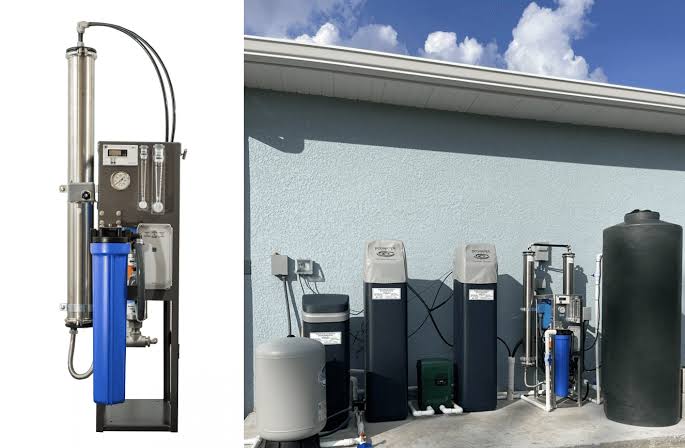
For instance, a household with hard water might benefit from a properly sized water softener. A family concerned about chlorine taste may prefer a suitable activated carbon filter. Meanwhile, a home with a history of plumbing leaks could benefit from a smart monitoring device or strategically placed leak sensors.
There’s no reason to install every available technology. The right combination depends on the property’s age, water source, plumbing layout, budget, and the problems you’re trying to prevent.
Start by identifying the biggest risks. If your home has older flexible appliance hoses, replacing worn connections may be more valuable than purchasing a sophisticated monitoring system. If drinking-water testing identifies a specific contaminant, a certified treatment device designed to reduce it should take priority over a generic filter.
Professional advice can help when the plumbing is complicated or when a system needs to connect directly to the main supply. Correct installation matters, particularly for equipment that controls water flow or automatically shuts off the supply during an emergency.
Small Maintenance Habits That Prevent Bigger Problems
Even the smartest plumbing equipment benefits from ordinary maintenance. Check visible pipes and fittings for corrosion, drips, and loose connections. Inspect appliance hoses periodically, and replace damaged components before they fail completely.
Water heaters also deserve attention. Follow the manufacturer’s maintenance recommendations and investigate signs of leakage, unusual noises, or visible corrosion. If the unit is installed in a location where a leak could damage finished floors or stored belongings, consider appropriate drainage and leak detection.
It’s useful to know where the main water shutoff valve is located, too. In an emergency, being able to turn off the supply quickly can limit the amount of water that escapes. Make sure other household members know where the valve is and how to operate it safely.
If you install a smart monitoring device, test its alerts and shutoff functions according to the manufacturer’s instructions. Keep batteries charged or replaced where applicable, update connected equipment when necessary, and don’t assume a notification will arrive if the system loses power or connectivity.
These steps may sound ordinary, but they’re often what separates effective prevention from a false sense of security.
Is Smart Water Technology Worth the Investment?
For many homeowners, the answer depends on the potential cost of a leak and how much peace of mind the technology provides. A property with a history of leaks, expensive flooring, or plumbing in hard-to-access locations may benefit considerably from continuous monitoring.
Other homes may need only a few inexpensive leak sensors near vulnerable appliances. A full automatic shutoff system could be unnecessary if the risk is relatively low and the plumbing is easy to inspect.
Compare the upfront price with installation costs, maintenance requirements, warranty coverage, and the specific features included. Check whether the system requires a subscription or a particular home network, and make sure replacement parts are readily available.
Most importantly, remember that technology works best alongside good maintenance rather than instead of it.
A More Thoughtful Approach to Home Water Management
Water plays a quiet but essential role in nearly every part of daily life. We depend on it for cooking, cleaning, bathing, and keeping our homes comfortable. Protecting that supply means paying attention to both plumbing performance and the water itself.
Smart leak detection can provide valuable early warnings, while regular inspections and appropriate water testing help address problems that connected devices cannot solve alone. Together, these measures can reduce avoidable damage, improve confidence, and make home maintenance more manageable.
You don’t need to transform your house into a fully automated building overnight. Start with the obvious risks, fix small problems promptly, and add technology where it offers genuine value. A little preparation today can save considerable expense and stress tomorrow.