Better Water at Home: Choosing the Right Filtration and Treatment Solutions
Water is one of those things we rarely think about until something seems wrong. Maybe the tap water has an unusual taste, white spots keep appearing on the kitchen faucet, or your morning glass of water smells a little different than it should. These small details can raise an important question: Is the water flowing through your home as clean and reliable as you expect?
For homeowners in Florida, water quality deserves a closer look. Local water conditions can vary depending on the source, plumbing materials, and treatment methods already in place. Finding the right solution doesn’t necessarily mean buying the most expensive equipment. It starts with understanding your water and choosing a system that addresses your household’s actual needs.
Understanding What’s Really in Your Water
Clear water isn’t always an indication of good water quality. Some common water concerns are easy to notice, such as sediment, unpleasant odors, and mineral deposits. Others, including certain dissolved contaminants, may not produce any obvious changes in appearance or taste.
Hard water is a familiar issue for many households. It contains elevated levels of minerals, primarily calcium and magnesium, which can leave chalky deposits on showerheads, faucets, and glassware. Over time, these minerals may also affect the performance of water-using appliances.
Other concerns depend on the water source. Private wells, for example, may require testing for bacteria, nitrates, metals, and other contaminants relevant to the surrounding area. Public water supplies are regulated, but household plumbing and individual water conditions can still influence what comes out of a particular tap.
That’s why testing is such a useful first step. Rather than guessing based on taste or appearance, homeowners can use a qualified laboratory or appropriate testing service to identify potential concerns and make informed decisions.
Finding Water Treatment Services That Fit Your Home
When water quality becomes a concern, the next challenge is figuring out which improvements will make a genuine difference. A whole-house filter, a drinking water purifier, and a water softener serve different purposes. Choosing the wrong one can mean spending money without solving the original problem.
Professional water treatment & filtration services in venice, fl can help homeowners evaluate local water conditions, review available treatment options, and determine which equipment makes sense for their property. A proper assessment should consider the water source, household size, existing plumbing, and any specific concerns identified through testing.
For instance, a family struggling with mineral buildup might benefit from a water softener. A homeowner concerned about sediment or chlorine taste may need a different filtration approach. If testing identifies a particular contaminant, the selected equipment should be certified or otherwise verified as effective against that specific substance.
Good advice also includes explaining what a system cannot do. No single filter removes every possible contaminant, and installing more equipment than necessary doesn’t automatically produce better water.
Whole-Home Filtration for Everyday Comfort
Think about how much water a household uses in a single day. There’s the morning shower, the washing machine, the dishwasher, cooking, cleaning, and countless trips to the kitchen sink. Treating water at the point where it enters the house can address certain water quality concerns throughout the property.
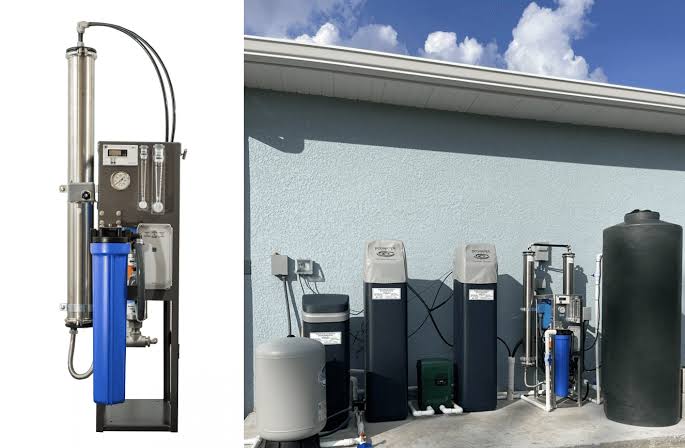
Whole-home filtration systems are installed on the incoming water line, allowing treated water to reach multiple fixtures. Depending on the filter media and system design, they may reduce sediment, chlorine, or other targeted substances. The exact benefits depend on the equipment selected and the water being treated.
These systems can be especially helpful when a concern affects more than drinking water. For example, sediment may collect in plumbing fixtures, while chlorine-related taste and odor can be noticeable at several taps.
However, filtration isn’t the same as softening. A standard whole-house filter generally won’t remove the calcium and magnesium responsible for hard water unless it’s specifically designed for that purpose. Understanding this distinction helps prevent disappointment after installation.
Maintenance matters, too. Filters eventually become less effective as they collect contaminants or reach the end of their service life. Following the manufacturer’s replacement schedule keeps the equipment working as intended.
Are Whole-Home Reverse Osmosis Systems Worth Considering?
Reverse osmosis is a water treatment process that uses a semipermeable membrane to reduce many dissolved substances. It’s widely used in drinking water applications because it can reduce certain salts, metals, and other contaminants when the system is appropriately designed and maintained.
For households with specific water quality challenges, whole home reverse osmosis systems may be worth discussing with a qualified water treatment professional. However, treating every drop of water used throughout an entire house is more demanding than treating water at one kitchen faucet.
Whole-house reverse osmosis installations can involve substantial equipment, additional water use, storage requirements, and careful consideration of plumbing materials. They may also require pretreatment to protect the membrane and post-treatment to address the characteristics of the treated water.
For many families, a point-of-use reverse osmosis system offers a more practical starting point. Installed beneath the kitchen sink or connected to a dedicated drinking water tap, it treats water where drinking and cooking water are most often needed.
The right choice depends on test results, water consumption, installation costs, and ongoing maintenance. A professional assessment can help determine whether whole-house treatment is justified or whether a smaller system would meet the same essential needs.
Choosing Drinking Water Systems With Confidence
A good glass of water should be refreshing, convenient, and appropriate for your household’s needs. Yet selecting a drinking water system can feel confusing when every product seems to promise exceptional purity.
The best approach is to focus on measurable performance rather than broad marketing claims. Drinking water systems can include carbon filters, reverse osmosis units, ultraviolet treatment equipment, and other technologies designed for particular water quality concerns.
Carbon filtration, for example, can improve taste and odor by reducing certain substances, including chlorine. Reverse osmosis can reduce a broader range of dissolved contaminants, depending on the system. Ultraviolet treatment can inactivate susceptible microorganisms when properly installed and operated, but it doesn’t remove dissolved chemicals or particles.
Some homes may benefit from combining technologies. Others need only one well-chosen system. Look for independently verified performance claims, suitable certifications, clear maintenance instructions, and replacement filters that are readily available.
It’s also worth considering daily convenience. Will the system provide enough water for everyone in the household? Does it require electricity? How often must filters be replaced? These practical questions often matter more over time than a long list of advertised features.
Don’t Overlook Installation and Maintenance
Even excellent equipment can underperform when it’s installed incorrectly or neglected. Proper installation helps prevent leaks, ensures the system operates within its intended conditions, and makes future servicing easier.
Before purchasing a system, ask about installation requirements, warranty coverage, filter replacement costs, and service availability. If the equipment needs periodic sanitization or membrane replacement, understand those responsibilities in advance.
Homeowners should also keep copies of water test results and maintenance records. These documents make it easier to monitor changes, identify recurring problems, and determine when another assessment may be useful.
If you rely on a private well, follow testing recommendations from relevant local or state health authorities. For municipal water, review the supplier’s water quality report and investigate any concerns specific to your home.
Remember that water treatment equipment is not a substitute for addressing unsafe water conditions at their source. If testing reveals a serious contamination problem, follow appropriate public health guidance while arranging the necessary treatment.
Making a Smarter Investment in Your Home’s Water
Water treatment doesn’t have to become an overwhelming home improvement project. Start with the issue that matters most, whether it’s hard water deposits, an unpleasant taste, or a specific contaminant identified through testing. Then compare solutions based on verified performance, operating costs, and the level of treatment your household actually needs.
For homeowners in Venice, Florida, understanding local water conditions can make the selection process considerably easier. A thoughtful assessment, appropriate equipment, and consistent maintenance can help turn an everyday necessity into one less thing to worry about.
Ultimately, better water starts with better information. Take time to ask questions, review your options, and avoid buying a system simply because it promises to do everything. When treatment matches the problem, your home can benefit from a practical, dependable approach to water quality for years to come.