

Water Is Something We Rarely Question
Water is one of those things we use without thinking much about it. We turn on the tap, fill a glass, brew coffee, wash vegetables, or start the washing machine. It’s part of everyday life, so familiar that it’s easy to assume everything flowing from the faucet is exactly as it should be.
But here’s the thing—water quality isn’t always obvious. Sometimes it looks crystal clear and still carries substances you wouldn’t want to drink regularly. Other times, you might notice a strange taste or an odd smell, yet ignore it because it doesn’t seem like a big deal. Over time, though, those little signs can add up.
Making sure your household has access to fresh, isn’t just about convenience. It’s about creating a healthier environment for everyone under your roof, from toddlers to grandparents and even pets.
Small Changes in Water Can Have a Big Impact
Many homeowners don’t realize that water changes as it travels through treatment facilities, underground pipes, and finally into household plumbing. Every step of that journey can affect its overall quality.
Local water treatment plants do an important job, but they aren’t designed to solve every issue that develops between the treatment facility and your kitchen sink. Aging pipes, seasonal weather, and regional water conditions all play a role.
That’s why two neighborhoods only clean water a few miles apart can have surprisingly different experiences with their tap water.
Hard Water Is More Than an Annoyance
If you’ve ever noticed white spots on your dishes or stubborn buildup around your faucets, you’ve probably dealt with hard water. It’s incredibly common, especially in areas where groundwater naturally contains high levels of dissolved minerals.
Those mineral deposits don’t just affect appearance. They slowly collect inside plumbing, water heaters, coffee makers, and washing machines. Eventually, appliances may work harder, consume more energy, and wear out sooner than expected.
Even your daily routine feels the difference. Soap doesn’t lather quite as well, towels become rough, and hair sometimes feels dry after every shower. It’s not usually dangerous, but it certainly isn’t ideal.
What’s Really Hiding in Your Tap Water?
This is where things become a little more interesting—and honestly, a bit surprising.
Water can contain naturally occurring substances alongside man-made pollutants that aren’t visible to the naked eye. Depending on your location, testing may reveal chlorine byproducts, sediment, metals, bacteria, pesticides, or other contaminants that affect taste, smell, or overall quality.
Not every home faces the same challenges, which is why blanket solutions rarely work. A home supplied by a municipal system may have completely different concerns than a property using a private well.
Knowing what’s actually in your water is far more useful than guessing.
Better Water Makes Everyday Life Easier
People often think water treatment is only about drinking water. In reality, better water improves dozens of little moments throughout the day.
Morning coffee tastes cleaner. Ice cubes don’t carry unpleasant odors. Clothes feel softer after washing. Glass shower doors stay cleaner for longer, and dishes come out of the dishwasher without cloudy residue.
These aren’t dramatic life-changing moments, perhaps, but together they create a home that simply feels more comfortable.
Sometimes it’s the small improvements that people appreciate the most after installing a filtration system.
Why Testing Comes Before Treatment
One mistake homeowners occasionally make is purchasing expensive equipment before understanding what problem they’re trying to solve.
Imagine visiting a doctor who prescribes medication without running any tests. It wouldn’t make much sense.
Water works the same way.
A professional water analysis identifies the specific issues affecting your supply. Maybe hardness is the biggest concern. Maybe iron is causing staining. Perhaps chlorine levels are higher than you’d prefer, or sediment is entering from aging pipes.
Once those answers are available, choosing the right solution becomes much simpler—and usually more cost-effective.
Finding the Right Solution for Your Home
There isn’t a universal system that fits every household.
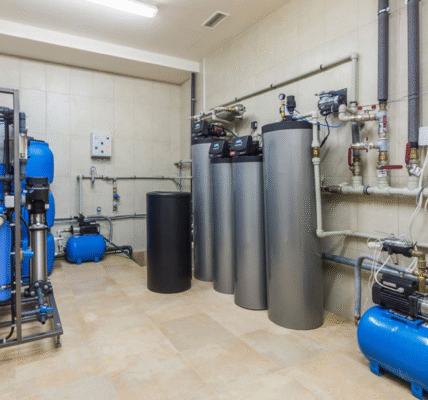
Some families benefit most from a water softener because hard water causes constant appliance maintenance. Others prefer activated carbon filtration to improve taste and reduce chlorine odors. Homes with private wells may require additional filtration designed specifically for bacteria, iron, sulfur, or other naturally occurring elements.
Reverse osmosis systems are another popular option for drinking water because they remove a wide range of unwanted substances while producing exceptionally clean water for cooking and beverages.
The best setup depends entirely on your home’s water profile, daily usage, and long-term goals.
Protecting Your Investment Over Time
Installing a quality filtration system isn’t really the finish line.
Like any household equipment, filters need replacement, softeners require occasional maintenance, and certain systems perform best with regular inspections. Fortunately, most maintenance schedules are straightforward and relatively inexpensive compared to replacing damaged plumbing or appliances.
Taking care of the system helps ensure consistent water quality year after year, while also extending the life of the equipment itself.
It’s a bit like changing the oil in your car—easy to overlook until skipping it becomes expensive.
A Better Home Starts With Better Water
People renovate kitchens, replace flooring, install smart thermostats, and invest in energy-efficient appliances because they want their homes to feel healthier, more comfortable, and more valuable.
Water deserves to be part of that conversation.
After all, it’s one of the few things every member of the household uses every single day. Whether you’re drinking it, cooking with it, bathing, cleaning, or watering plants, water quietly touches almost every part of daily life.
Improving water quality isn’t about chasing perfection or buying the most expensive equipment on the market. It’s about understanding your home’s unique needs and making thoughtful choices that support your family’s health, comfort, and peace of mind.
In the end, better water isn’t just something you taste. It’s something you notice in cleaner dishes, softer laundry, longer-lasting appliances, and the simple confidence that what comes out of your tap is something you can trust every day.