Why Regular Water Testing Is One of the Smartest Investments You Can Make for Your Home
Most of us don’t spend much time thinking about water. We turn on the faucet, fill a glass, wash vegetables, brew coffee, or hop into the shower without giving it a second thought. It’s simply part of everyday life. But the moment the water starts smelling strange, leaves orange stains on the sink, or tastes a little metallic, suddenly it has our full attention.
The thing is, water problems rarely appear overnight. They tend to build quietly over time. Minerals accumulate, plumbing ages, seasonal changes affect groundwater, and contaminants can enter a water supply without any obvious warning. That’s exactly why routine water testing isn’t just something homeowners should consider when there’s a visible problem—it’s something worth making a habit.
Understanding what’s actually flowing through your pipes gives you the confidence to make informed decisions instead of expensive guesses.
Clear Water Doesn’t Always Mean Clean Water
One of the biggest misconceptions is that if water looks clean, it must be safe. Unfortunately, that’s not always true.
Many contaminants can’t be seen, smelled, or tasted. Certain minerals affect appliance performance long before people notice changes in drinking water. Some bacteria remain completely invisible, while dissolved metals and chemicals may exist at levels that only laboratory testing can detect.
That’s why appearances can be misleading.
A glass of crystal-clear water may still contain elements that impact plumbing, reduce appliance efficiency, or simply affect the overall quality of your household water.
Professional testing removes the uncertainty by replacing assumptions with facts.
Why hard water testing Matters More Than You Think
Hard water is one of the most common household water issues, yet many families live with it for years without realizing what’s causing their daily frustrations.
If soap refuses to lather properly, dishes come out with cloudy spots, faucets collect stubborn white deposits, or your water heater seems less efficient than it once was, mineral-rich water could be the reason.
A professional hard water testing process measures calcium and magnesium levels, helping homeowners understand whether hardness is affecting their plumbing system and appliances.
Knowing those results allows you to choose the right solution instead of installing unnecessary equipment. In many cases, addressing hard water not only improves water quality but also extends the life of expensive household appliances while reducing maintenance costs over time.
Every Well Has Its Own Unique Characteristics
Unlike municipal water systems that undergo centralized treatment, private wells depend entirely on local groundwater conditions.
Rainfall, nearby farming activity, changing water tables, aging well components, and natural geology all influence what’s found underground. Even neighboring properties may have completely different water quality despite being only a short distance apart.
Because groundwater conditions evolve throughout the year, relying on an old water report isn’t always enough.
Routine testing provides an updated picture of what’s happening beneath your property rather than what may have existed several years ago.
Why well water testing Should Never Be Skipped
Homeowners who rely on private wells carry the responsibility for monitoring their own water supply.
That’s where well water testing becomes especially important. Comprehensive testing can screen for bacteria, nitrates, iron, sulfur, manganese, sediment, pH levels, and other naturally occurring or environmental contaminants.
Many of these issues don’t immediately affect the appearance of water, making regular testing the only reliable way to identify them.
Annual evaluations are generally considered a practical approach because groundwater conditions can shift with changing seasons and environmental factors. Staying proactive reduces the risk of unexpected water quality issues and helps ensure treatment systems continue performing effectively.
Water Quality Affects More Than Drinking
People often focus on drinking water, but water touches nearly every part of daily life.
It’s used for bathing, cooking, washing dishes, doing laundry, cleaning surfaces, watering gardens, and operating appliances. Because of that, poor water quality can quietly influence many aspects of a home’s comfort and maintenance.
Mineral buildup inside plumbing may reduce water pressure over time.
Sediment can shorten the lifespan of washing machines and dishwashers.
Iron staining creates extra cleaning work, while unpleasant tastes and odors often discourage people from drinking enough water.
When water quality improves, everyday routines simply become easier.
The Value of drinking water analysis
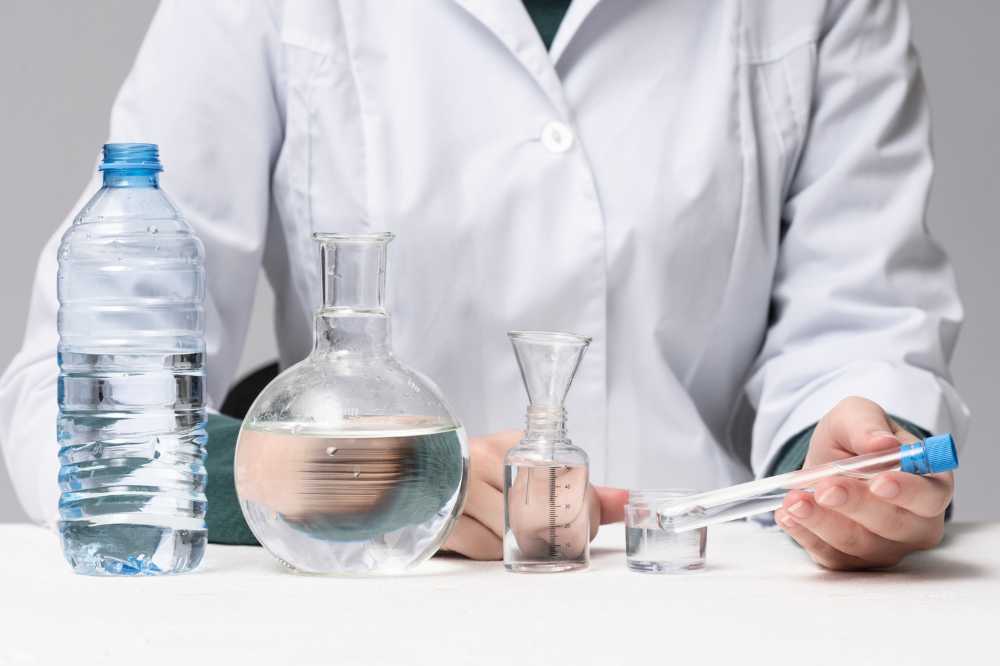
While general testing evaluates overall water quality, drinking water analysis focuses specifically on what comes out of the tap for consumption.
This process can measure parameters such as pH, dissolved solids, heavy metals, microbial contamination, chlorine levels, and other characteristics that influence both safety and taste.
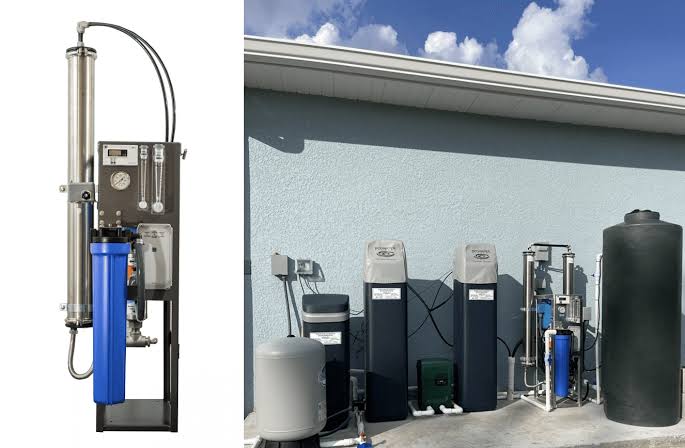
The information helps homeowners determine whether additional filtration, reverse osmosis, ultraviolet disinfection, or other treatment options may be beneficial.
Instead of relying on advertising claims or generic filter recommendations, decisions are based on actual laboratory results that reflect your home’s unique water conditions.
That personalized approach often leads to better outcomes and avoids unnecessary expenses.
Prevention Is Almost Always Less Expensive
One lesson homeowners learn again and again is that preventative maintenance usually costs less than emergency repairs.
Water is no different.
Small issues left unnoticed today can gradually become costly plumbing repairs tomorrow. Mineral deposits reduce appliance efficiency, corrosion damages pipes, and untreated contaminants may create larger maintenance concerns over time.
Routine testing acts as an early warning system.
Rather than waiting until something breaks or water quality noticeably declines, homeowners gain the opportunity to respond early—often with simpler and more affordable solutions.
It’s a practical investment that protects both your family’s comfort and your home’s infrastructure.
Better Decisions Begin with Better Information
There are countless water treatment products available today, each promising cleaner, healthier water. While many are excellent solutions, no single product is ideal for every household.
That’s why testing comes first.
Once you understand what’s actually present in your water, selecting the right treatment becomes much easier. Whether the solution involves softening, filtration, UV purification, reverse osmosis, or simply routine maintenance, every decision is backed by evidence rather than guesswork.
In the end, regular water testing isn’t about expecting problems—it’s about staying informed. Clean water supports healthier living, protects valuable appliances, improves daily comfort, and gives homeowners confidence every time they turn on the tap. That’s a small investment with benefits that quietly last for years.