When Wires Talk: The Human Side of Electrical Systems and Why Compliance Isn’t Just a Buzzword
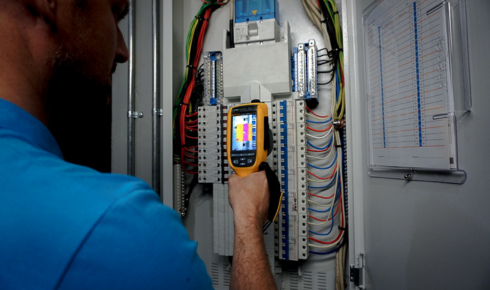
Walk into any home, office, or café, and it’s easy to take electricity for granted. Flip a switch, and the lights come on. Plug in your phone, and the battery charges. But behind every hum of a refrigerator or flicker of a desk lamp lies a network of silent workers—wires, panels, breakers, and more—all demanding our respect. And if we’re honest, most of us only start to care when something sparks, smokes, or fails completely.
That’s where the often-overlooked world of electrical standards and maintenance comes into play. Not just for the big guys in hard hats, but for anyone who wants their home or business running safely and smoothly. So let’s dive in—not with jargon or salesy nonsense, but with a grounded (pun intended) chat about real things that matter in everyday life.
Safety Isn’t Optional: It’s Compliance
If you’ve ever watched an old switchboard sputter or a DIY extension cord heat up like a toaster, you know that electricity doesn’t forgive sloppiness. But more than just common sense, there’s a structured set of rules and practices that govern how electrical systems should be installed and maintained. That’s electrical safety compliance in a nutshell.
Compliance isn’t just about passing inspections or dodging fines—it’s about creating environments where people aren’t at risk every time they turn on a light. From arc fault protection to proper grounding and surge suppression, compliance means someone thought about your safety before you ever needed to.
In residential settings, this might mean installing child-proof outlets or GFCI protection in wet areas. In commercial spaces, it could involve periodic inspections, proper labeling, or upgrading systems to match growing energy demands. And let’s be real—it’s way easier to fix a non-compliant panel during a quiet Tuesday than deal with a fire on a Sunday night.
Troubleshooting Isn’t Guesswork—It’s a Craft
We’ve all done it: flipped every switch on the breaker box in frustration, praying for the Wi-Fi to come back. But effective electrical troubleshooting isn’t about trial and error—it’s about understanding the story your system is trying to tell you.
A light that keeps flickering? It could be a loose connection, a dying bulb, or overloaded wiring. A buzzing outlet? Maybe a grounding issue or old aluminum wiring. These aren’t just quirks—they’re symptoms. And just like a doctor doesn’t prescribe meds without a diagnosis, a good electrician won’t replace parts without knowing the root cause.
There’s an artistry to it. Great troubleshooting is like detective work: patient, observant, and precise. It involves using tools—both literal (like multimeters) and mental (like experience)—to isolate the problem, fix it right the first time, and ensure it won’t come back to haunt you.
The Silent Hero: Your Electrical Panel
Tucked away in basements, closets, or garage corners, electrical panels rarely get the spotlight. But they’re the heart of your system—directing current, protecting circuits, and handling loads day in and day out. And just like an old heart can struggle under stress, an outdated panel can fail when pushed too hard.
That’s why panel upgrades are more than just nice-to-haves—they’re often downright necessary. If you’re living in a house built before smartphones became a thing, chances are your panel wasn’t designed for today’s electrical load. Think about it: TVs, gaming consoles, induction cooktops, smart fridges, home chargers for electric vehicles—they all demand juice.
Upgrading your panel doesn’t just reduce the risk of overloads and tripped breakers; it opens the door (sometimes literally) to future improvements. Want to install solar panels? Add a hot tub? Run a workshop in the garage? A modern panel is your gateway.
What It All Comes Down To
Whether you’re a homeowner who’s never touched a breaker, or a curious DIYer watching YouTube tutorials at 2 a.m., one thing is universal: electricity deserves respect.
It’s not about fear—it’s about awareness. Knowing that codes exist for a reason. Knowing that flickering lights aren’t “just a thing.” Knowing that if your panel smells like burnt toast, it’s probably not toast.
Hiring professionals when things get hairy isn’t a sign of defeat—it’s smart. Following compliance guidelines isn’t red tape—it’s life insurance. And staying curious about your system—how it works, when it needs care, what it’s trying to tell you—isn’t nerdy. It’s responsible.
Wrapping It Up Like a Coiled Extension Cord
In a world where we crave the next smart gadget or lightning-fast charger, it’s easy to forget the quiet infrastructure behind the scenes. But if this article has done anything, hopefully it’s sparked (okay, last pun, promise) a little more thought the next time you flip a switch.
Because ultimately, good electrical systems aren’t about voltage—they’re about people. About keeping families safe, businesses running, and life humming along without drama.
So go ahead—ask your electrician questions. Schedule that inspection. Replace that ancient panel. And if you smell something weird near your outlets? Don’t light a candle and hope for the best. Deal with it.