More Than Just a Bill: What Long Islanders Deserve to Know About Their Water Companies

Let’s face it—most of us don’t think about our water provider until something goes wrong. A higher-than-usual bill. A weird chlorine smell in the shower. Rusty water coming out of the faucet. Or maybe just a random news alert about some contaminant you’ve never heard of with a name that sounds straight out of a chemistry exam.
But here’s the thing: in Long Island, where we’re all living right on top of the aquifers that feed our homes, water isn’t just another utility. It’s personal. It’s about health, safety, trust. And more and more people are starting to ask… who’s really taking care of the water we use every single day?
So let’s take a breath, pour ourselves a glass (filtered, maybe), and dig into the real story behind Long Island’s water — and the companies responsible for it.
The Silent Giant: What a Water Company Actually Does
You might pay them every quarter, but most people couldn’t name their water provider if you asked them at a barbecue. And no judgment — they’re not exactly doing jingles on the radio or sponsoring local Little League.
But that quiet presence? It’s doing some pretty heavy lifting. A typical Long Island water company manages everything from sourcing and treating groundwater to testing, distributing, maintaining pipes, handling emergency leaks, and dealing with infrastructure that, let’s be honest, isn’t getting any younger.
In Nassau and Suffolk Counties, it’s a mix — there are public water districts, investor-owned companies, and hybrid setups. Each one operates a little differently, and each one has its strengths and headaches. But the core goal should be the same: clean, reliable, affordable water.
Should be.
The Growing Buzz: Why People Are Actually Reading Water Reviews
Here’s something that would’ve sounded weird ten years ago — people are Googling Long Island clean water service reviews like they’re checking out a new restaurant. And honestly? It makes total sense.
Because clean water isn’t a luxury. It’s a need. And when you start seeing weird film on your dishes, or your kid’s skin starts reacting after a bath, you start connecting the dots. You want answers. Fast.
That’s why online reviews of local water companies — especially independent third-party filtration providers or maintenance services — are suddenly a thing. People want to know who’s responsive, who’s honest, who actually shows up when they say they will. They want real-world feedback, not just pretty websites or generic promises.
And frankly, they deserve that. Especially when water problems don’t just go away on their own. They linger. Quietly mess with your daily life. And slowly erode your trust in the system.
When “Good Enough” Isn’t Good Enough Anymore
For a long time, people shrugged off minor water issues. “It’s just hard water,” they’d say. Or “You get used to the chlorine smell.” Or “That’s just how it is around here.”
But something’s shifted.
Maybe it’s the growing awareness of PFAS. Maybe it’s the never-ending boil water advisories. Or maybe people are just tired of coughing up money for bottled water and replacing appliances that corrode faster than they should.
Whatever the reason, expectations are changing. Long Islanders want more than basic service. They want transparency. Communication. Investment in long-term infrastructure. Not just patch jobs or PR statements.
They want to know that their water company Long Island isn’t just waiting for the next complaint — but working behind the scenes to prevent the next issue in the first place.
A Tale From the Block: Real People, Real Experiences
Let’s talk about Gina — retired nurse, two rescue dogs, garden out back that she’s borderline obsessed with. She lives in a quiet Suffolk neighborhood and, for years, didn’t think twice about her water. Until the rust stains started showing up in her toilet and bathtub. Then came the bitter taste in her coffee.
She called her water company. They sent someone. He flushed a hydrant, shrugged, and left. Nothing changed.
Frustrated, she got her water tested by an independent lab. Installed a filtration system. Now? No stains, coffee tastes right, and the dogs aren’t scratching themselves raw after a bath.
Gina doesn’t think of herself as “high-maintenance.” She just wanted things to work. And when they didn’t, she took control. More and more people are doing the same.
What You Can Actually Do About It
This isn’t just a gripe session. There are real, actionable steps you can take to protect your home and your family.
- Know who your water provider is. Public or private? What’s their track record? How often do they test? Do they publish their findings?
- Get your water tested. Don’t wait for a boil notice. There are affordable testing kits or labs that’ll break down what’s really in your water — from iron and lead to nitrates and volatile organic compounds.
- Ask questions. Your water company works for you. Don’t be afraid to call, email, or show up to a meeting. The more pressure from informed residents, the more accountability.
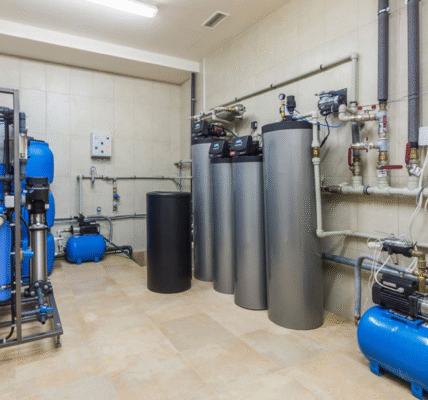
- Consider filtration. Even if your water is technically “safe,” that doesn’t mean it’s ideal. A basic carbon filter, reverse osmosis system, or whole-house setup can drastically improve taste, safety, and appliance lifespan.
Why All This Really Matters
It’s not just about taste. Or staining. Or even saving money on bottled water.
It’s about control.
When you don’t know what’s in your water — or who’s managing it — you start to feel helpless. Like you’re just hoping things stay okay. That’s not a great way to live.
But when you take charge — when you ask, learn, improve — you shift that dynamic. You become a partner in your home’s health, not just a passive observer.