Keeping HVAC Systems Reliable Through Proper Installation and Maintenance
A comfortable indoor environment can make a noticeable difference in how people live and work. At home, reliable heating and cooling help create a relaxing atmosphere after a long day. In offices, retail stores, restaurants, and other commercial spaces, indoor temperature can influence employee productivity, customer experience, and the overall impression of a business.
Yet HVAC equipment is often overlooked until something goes wrong. A sudden breakdown, unusual noise, poor airflow, or rising energy bills can quickly turn into an expensive inconvenience. Taking a little time to understand how these systems work, and what they need to perform properly, can save frustration down the road.
Why Proper HVAC Installation Matters
Installing a heating and cooling system involves more than placing equipment in position and switching it on. The system needs to be properly sized, connected, configured, and tested to suit the building it’s serving.
An undersized air conditioner may struggle during hot weather, running for long periods without keeping rooms comfortable. An oversized unit can cycle too frequently, potentially wasting energy and creating uneven temperatures. Ductwork, insulation, ventilation, and thermostat placement also influence performance.
Good HVAC system care and installation begins with understanding the building itself. Contractors should evaluate square footage, room layout, insulation quality, windows, occupancy, and local climate conditions before recommending equipment. These details help determine what system will provide dependable performance without unnecessary operating expenses.
A carefully installed system can also reduce the chances of recurring problems caused by poor airflow, incorrect connections, or improper equipment configuration.
Commercial HVAC Requirements Are Different
Commercial buildings often have more demanding heating and cooling requirements than residential properties. A small office, busy restaurant, retail showroom, warehouse, or medical facility may have different occupancy levels, operating hours, ventilation needs, and temperature expectations.
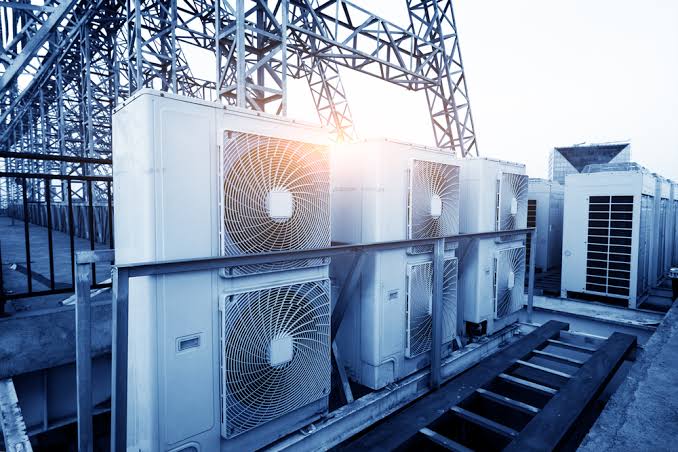
Reliable commercial hvac equipment needs to accommodate these conditions without creating uncomfortable temperature fluctuations or excessive energy consumption. Some buildings may require rooftop units, larger central systems, zoning controls, or specialized ventilation equipment depending on their layout and use.
For business owners, downtime is more than an inconvenience. If an HVAC system fails during a busy afternoon, customers may leave, employees can become uncomfortable, and operations may be interrupted. In certain facilities, maintaining appropriate indoor conditions is especially important for equipment, inventory, or daily activities.
Planning for these situations before they happen can make a significant difference. Routine inspections, maintenance scheduling, and understanding the system’s operating limits help businesses prepare for seasonal demands.
Recognizing Problems Before They Become Expensive
HVAC systems usually provide some warning when performance starts declining. Unfortunately, those signs are easy to overlook when the equipment continues running.
You may notice that certain rooms are consistently warmer than others, airflow feels weaker, or the thermostat takes longer to reach its setting. Sometimes the system makes a buzzing, rattling, or grinding sound. Other times, the only noticeable change is a higher electricity bill.
Common warning signs include:
- Uneven temperatures between rooms.
- Unusual noises during startup or operation.
- Frequent system cycling.
- Weak airflow from vents.
- Water leaking around indoor equipment.
- Unexpected increases in energy consumption.
Replacing a dirty air filter may resolve some airflow issues, but persistent symptoms deserve professional attention. Electrical faults, refrigerant problems, damaged blower components, and drainage issues should not be ignored or handled without appropriate training.
Choosing an HVAC Service Company You Can Trust
Finding the right technician is an important part of maintaining heating and cooling equipment. Homeowners and business owners need someone who understands the system, explains problems clearly, and recommends practical solutions rather than unnecessary replacements.
A dependable HVAC service company should have appropriate licensing, insurance, trained technicians, and a transparent approach to pricing. Ask whether estimates are provided before major repairs, what warranties apply, and whether replacement parts are covered.
Customer reviews can offer useful insight, but pay attention to more than star ratings. Look for comments about punctuality, communication, workmanship, follow-up service, and how the company handles problems after installation.
It’s also worth choosing a provider that offers preventive maintenance rather than only emergency repairs. Having a service contact before your equipment fails can make scheduling much easier during peak heating or cooling seasons.
Simple Maintenance Habits That Keep Equipment Running
Routine maintenance doesn’t have to be complicated. A few basic tasks can help maintain airflow and prevent avoidable strain on HVAC equipment.
Replace air filters regularly, keeping in mind that replacement intervals depend on filter type, usage, dust levels, and household conditions. Make sure vents aren’t blocked by furniture or storage items. Outdoor units should have adequate clearance and be free of leaves, grass, and debris.
Professional inspections may include checking electrical connections, cleaning coils, inspecting condensate drains, evaluating airflow, and testing system operation. These checks help identify wear and potential problems before they become major repairs.
For commercial buildings, maintenance schedules should reflect operating hours, equipment complexity, occupancy, and environmental conditions. A system running throughout the day may need more frequent attention than equipment used occasionally.
Improving Energy Efficiency Without Sacrificing Comfort
Energy efficiency is a concern for nearly every property owner. HVAC systems can consume a substantial amount of energy, especially when they’re poorly maintained or operating in buildings with inadequate insulation.
Simple improvements such as sealing air leaks, upgrading insulation, using programmable thermostats, and keeping doors and windows properly closed can help reduce heating and cooling demands.
When replacing older equipment, compare efficiency ratings, expected operating costs, warranty coverage, and installation quality. The lowest-priced unit isn’t always the most economical choice over its lifetime.
A Smarter Approach to Long-Term HVAC Performance
Reliable heating and cooling depend on more than the equipment itself. Proper installation, regular maintenance, timely repairs, and knowledgeable technicians all contribute to a system’s performance and lifespan.
Whether you’re managing a commercial property or maintaining a family home, taking a proactive approach makes HVAC ownership easier. Pay attention to small changes, schedule inspections, and invest in solutions that suit your actual needs.
A well-maintained system should provide consistent comfort without constant attention. When the air feels right, equipment runs smoothly, and unexpected problems become less frequent, you can focus on what matters most in your home or business.