Clear Water, Clear Mind: Why the Right Guidance Makes All the Difference at Home

Most of us don’t wake up thinking about water quality. We think about coffee. About the commute. About the never-ending to-do list. Water is just… there. It fills the kettle, steams up the bathroom mirror, rinses the dinner plates. Reliable, mostly unnoticed.
Until it isn’t.
Maybe you catch a faint chlorine smell when you turn on the tap. Maybe your skin feels dry after every shower. Maybe your dishwasher leaves cloudy spots that no rinse aid seems to fix. These aren’t emergencies, but they’re nudges—little reminders that water isn’t as simple as we assume.
And that’s usually the moment people start searching for answers.
The First Step Isn’t a Purchase
It’s tempting to jump straight into buying a system. A filter here. A softener there. Something under the sink that promises sparkling water.
But the smarter first move? Conversation.
A free consultation with a water professional can reveal more than hours of online research. Water quality varies dramatically by region, even by neighborhood. What works perfectly for one home might be unnecessary—or insufficient—for another.
Consultations often include testing for hardness, chlorine levels, sediment, and other common factors. Instead of guessing based on taste or appearance, you’re working with real numbers.
That clarity changes everything.
Why “One-Size-Fits-All” Rarely Works
Water systems aren’t interchangeable. A large family with high daily water use has different needs than a single homeowner. Municipal water behaves differently from well water. Hardness levels fluctuate across regions.
That’s why tailored systems make such a meaningful difference.
Customization isn’t about adding expensive bells and whistles. It’s about precision. Choosing equipment that addresses your specific water concerns without overcomplicating the setup.
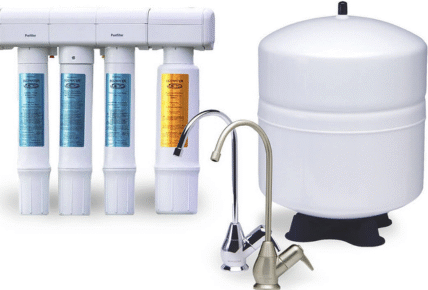
For example, if hardness is your main issue, a softener may be the priority. If taste and odor are the primary frustrations, filtration might solve most of the problem. In some cases, layered solutions make sense—but only when guided by testing and lifestyle needs.
When systems are chosen thoughtfully, they integrate smoothly into daily life.
The Quiet Benefits of Better Water
Improving water quality isn’t dramatic. There’s no grand reveal.
Instead, it shows up in subtle ways.
Showers feel smoother. Soap lathers more easily. Coffee tastes cleaner. Dishes come out of the dishwasher without chalky residue. Appliances operate more efficiently because scale buildup isn’t slowing them down.
These aren’t flashy improvements—but they’re real.
And over time, they add up to something deeper: comfort.
Reliable, consistent water supports everything else in the home. It protects plumbing, preserves appliances, and removes the small irritations that accumulate day after day.
Thinking Beyond Taste
While taste is often what prompts action, water quality touches more than drinking glasses.
Skin and hair health can be influenced by mineral content. Laundry texture can change with water hardness. Even the lifespan of your water heater can be shortened by scale accumulation.
That’s why many homeowners look for healthy water solutions rather than just a quick fix for flavor.
Healthy water isn’t about chasing perfection. It’s about reducing unnecessary contaminants, managing hardness levels, and creating a balanced system that supports everyday life.
It’s practical wellness, not marketing hype.
Maintenance Doesn’t Have to Be Complicated
A common hesitation people have is upkeep. Will the system require constant attention? Frequent service calls?
The reality is simpler than most expect.
Filters are replaced on predictable schedules. Softeners require occasional salt refills. UV lamps, if installed, are typically replaced annually. That’s the rhythm.
Routine maintenance keeps systems efficient and prevents gradual performance decline. Ignoring upkeep, on the other hand, allows small inefficiencies to grow into larger frustrations.
Consistency is key—but it’s manageable.
The Emotional Side of It All
There’s something reassuring about trusting your water.
You fill a glass without hesitation. You cook without wondering what’s lingering in the background. You shower without noticing dryness or mineral residue.
Water returns to being invisible again—and that’s the goal.
When systems are chosen thoughtfully and maintained properly, they fade into the background of your life.
And in home improvement, invisibility is often success.
Avoiding Overcomplication
It’s easy to assume the most advanced system must be the best one. But more equipment doesn’t always equal better results.
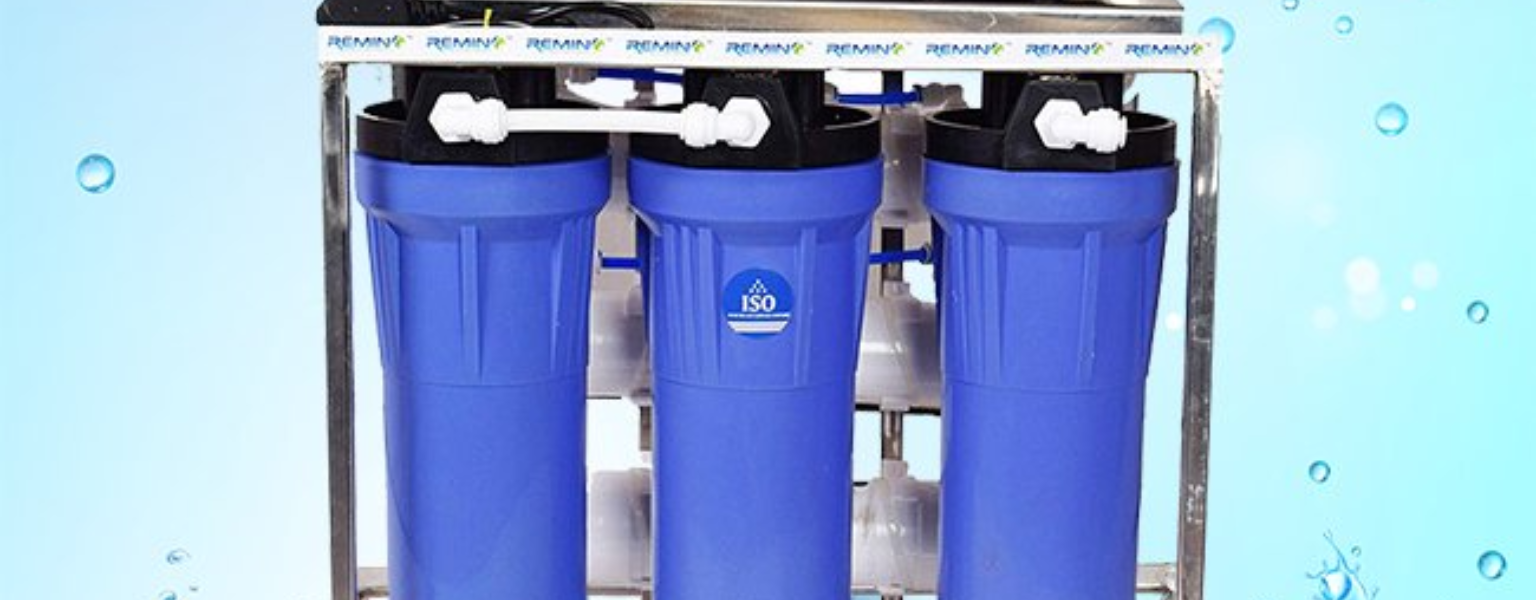
Sometimes a simple filtration unit solves the problem entirely. Other times, a softener delivers the most noticeable improvement. Occasionally, layered systems are warranted.
The key is alignment—not excess.
Testing, consultation, and honest evaluation prevent overspending while ensuring real issues are addressed.
Final Thoughts
Water flows through every corner of your home, shaping daily routines in ways that are easy to overlook.
Starting with a free consultation provides clarity. Choosing tailored systems ensures precision. Investing in healthy water solutions creates a foundation of comfort and reliability.
It’s not about chasing trends or installing the most complex equipment available.
It’s about making thoughtful decisions that quietly improve everyday life.
Because when your water works exactly as it should—clean, balanced, dependable—you stop thinking about it.
And sometimes, that quiet confidence is the best result of all.