Better Water, Better Living: Finding the Right Water Treatment Solutions for Your Home
Water is such an ordinary part of daily life that most of us barely think about it. We turn on the faucet, fill a glass, prepare dinner, wash our clothes, and move on with the day. But when that water starts tasting unusual or leaves stubborn white marks around bathroom fixtures, it suddenly becomes difficult to ignore.
Sometimes, the problem is excessive mineral hardness. Other times, it involves sediment, unpleasant odors, or dissolved substances that aren’t immediately noticeable.
Exploring options such as Clear Wave Water water treatment services can be a starting point for homeowners looking to understand their water quality and find suitable improvements.
The important thing is knowing what your water actually needs before spending money on treatment equipment. A little knowledge can save you from making expensive decisions that don’t necessarily solve the problem.
Understanding What’s Really in Your Household Water
Water picks up different minerals and substances as it travels through the environment. Its characteristics can vary considerably depending on whether your household receives municipal water or relies on a private well.
Calcium and magnesium, for instance, contribute to water hardness. While these minerals aren’t inherently harmful at typical concentrations, excessive hardness can create frustrating maintenance problems.
You might notice chalky deposits around faucets, cloudy glassware, or soap that doesn’t lather particularly well.
Other water quality concerns may affect taste, appearance, or odor. Some contaminants, however, cannot be identified simply by looking at or tasting the water.
That’s why understanding your water’s characteristics matters much more than making assumptions based on appearances alone.
Why Water Testing Is a Sensible First Step
Imagine buying an expensive filtration unit only to discover that it doesn’t address the issue you’ve been experiencing. Unfortunately, that’s entirely possible when equipment is selected without proper testing.
Taking advantage of free water testing, where available, can provide useful preliminary information about common household water quality concerns.
Basic assessments may help identify mineral hardness or other measurable characteristics, depending on the tests included.
However, homeowners should understand the limitations of these assessments. Concerns involving bacteria, lead, nitrates, or other potentially harmful contaminants may require testing through an appropriately certified laboratory.
Ask what’s included in the assessment and request an explanation of the results.
Once you understand the underlying problem, choosing appropriate equipment becomes considerably easier. You’re no longer relying entirely on guesswork or persuasive advertising.
Different Water Problems Require Different Solutions
There’s no single treatment technology that addresses every possible water quality concern.
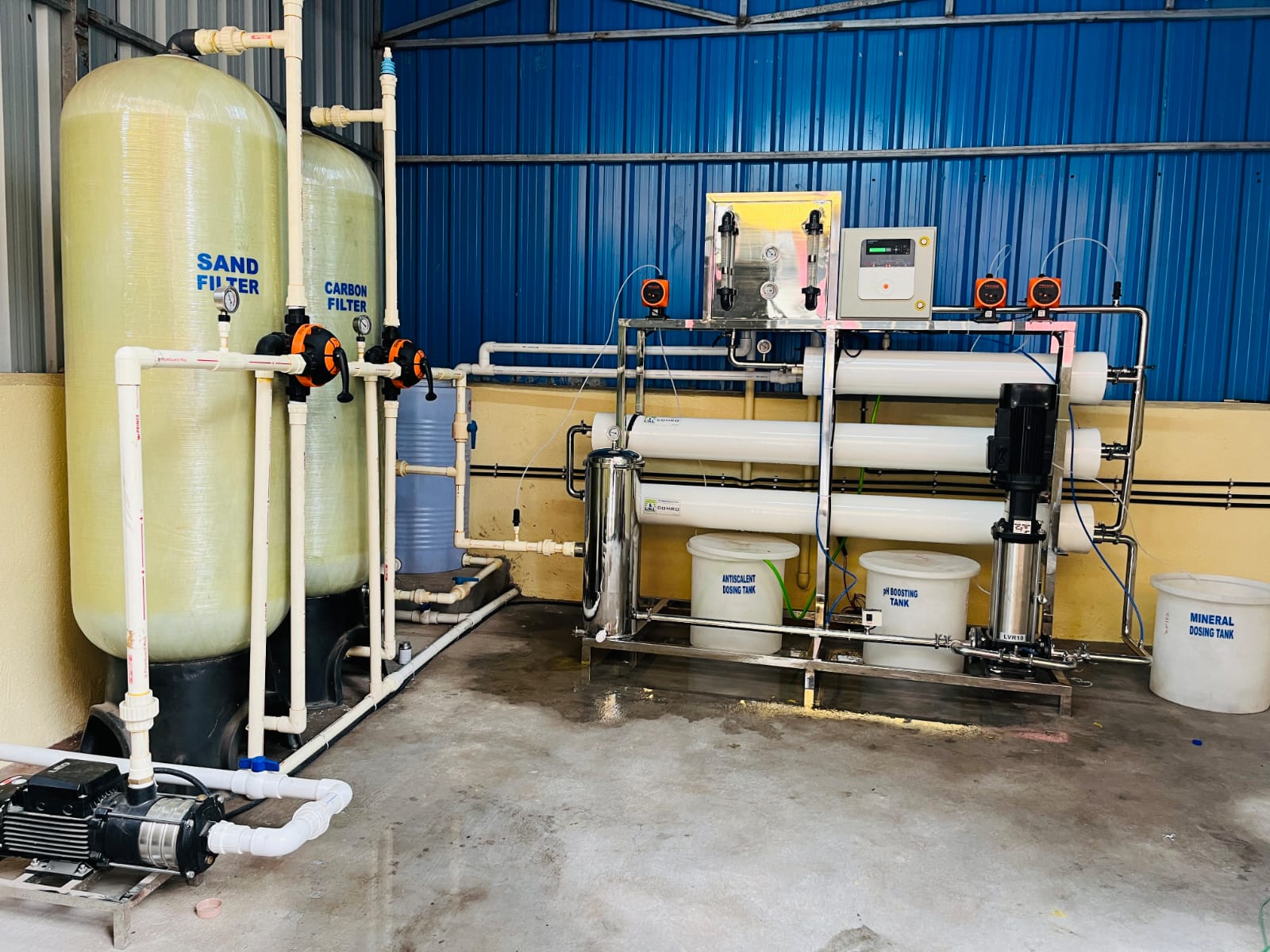
Modern water treatment systems come in various designs, each intended to perform particular functions. Traditional softeners reduce calcium and magnesium, sediment filters capture suspended particles, and activated carbon filters can address certain taste and odor concerns.
Membrane-based filtration may help reduce specific dissolved contaminants when the equipment has been independently verified for those purposes.
Understanding these differences can prevent unnecessary purchases.
For example, installing a basic sediment filter won’t resolve excessive mineral hardness. Similarly, a conventional softener shouldn’t be considered a complete solution for drinking water safety.
The right treatment arrangement depends on your test results, household consumption, and the particular improvements you’re hoping to achieve.
The Everyday Benefits of Addressing Hard Water
Hard water can make ordinary household chores feel more demanding than they should.
Bathroom fixtures may require frequent cleaning, towels can feel less pleasant after washing, and mineral deposits may accumulate inside equipment that regularly heats water.
Suitable softening equipment can help reduce future scale formation and improve how soap behaves during washing.
Over time, managing excessive hardness may also help reduce certain maintenance demands associated with water heaters and household appliances.
Existing mineral deposits might still require appropriate cleaning, though.
It’s worth approaching water treatment with realistic expectations. The benefits depend on your original water conditions, equipment selection, and ongoing maintenance.
Whole-House Treatment or Drinking Water Filtration?
This is a decision many homeowners encounter when exploring their options.
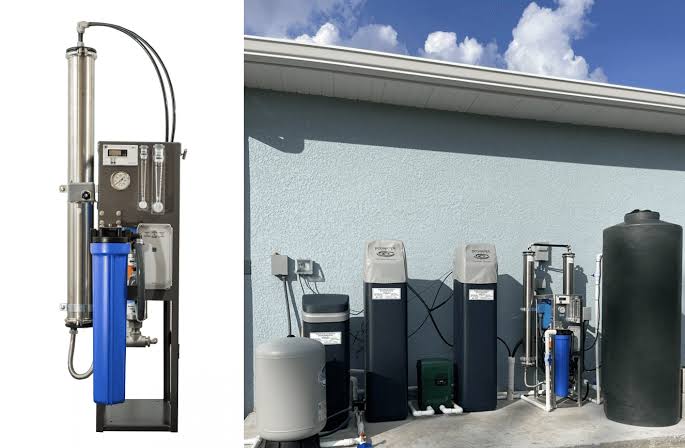
Whole-house treatment equipment typically addresses water entering the property before it reaches connected fixtures and appliances.
Dedicated drinking water filters, meanwhile, usually treat water at a particular location, such as the kitchen sink.
If excessive hardness affects plumbing throughout your home, treating the incoming supply may make practical sense. If your primary concern involves drinking water taste, a dedicated kitchen filtration system might be sufficient.
Some households benefit from combining different technologies.
Consider what you’re actually trying to accomplish rather than automatically choosing the largest or most expensive installation.
Don’t Forget About Long-Term Maintenance
Water treatment equipment isn’t something you install and forget about forever.
Filters require replacement, traditional softeners generally need regeneration salt, and certain membrane systems require periodic servicing.
Before purchasing equipment, ask about replacement component availability, maintenance schedules, and anticipated operating expenses.
A system that initially appears affordable might become costly if its replacement cartridges are expensive or difficult to obtain.
Reliable performance depends on appropriate upkeep. Keeping maintenance records and following manufacturer recommendations can help protect your investment over the years.
Making Better Water Part of Everyday Life
Improving household water quality doesn’t have to involve an elaborate renovation or an overwhelming financial commitment.
Start by understanding your water, identifying your priorities, and exploring equipment designed to address your particular concerns.
Perhaps your goal is reducing mineral deposits around bathroom fixtures. Maybe you’d simply enjoy drinking water without an unpleasant aftertaste.
Whatever matters most to your household, informed decisions are generally more valuable than rushed purchases.
After all, water touches almost every part of your daily routine. Giving its quality a little more attention can make ordinary moments more enjoyable, from that first morning cup of coffee to a relaxing shower at the end of the day.