The Quiet Luxury of Black Marble in Modern Interiors
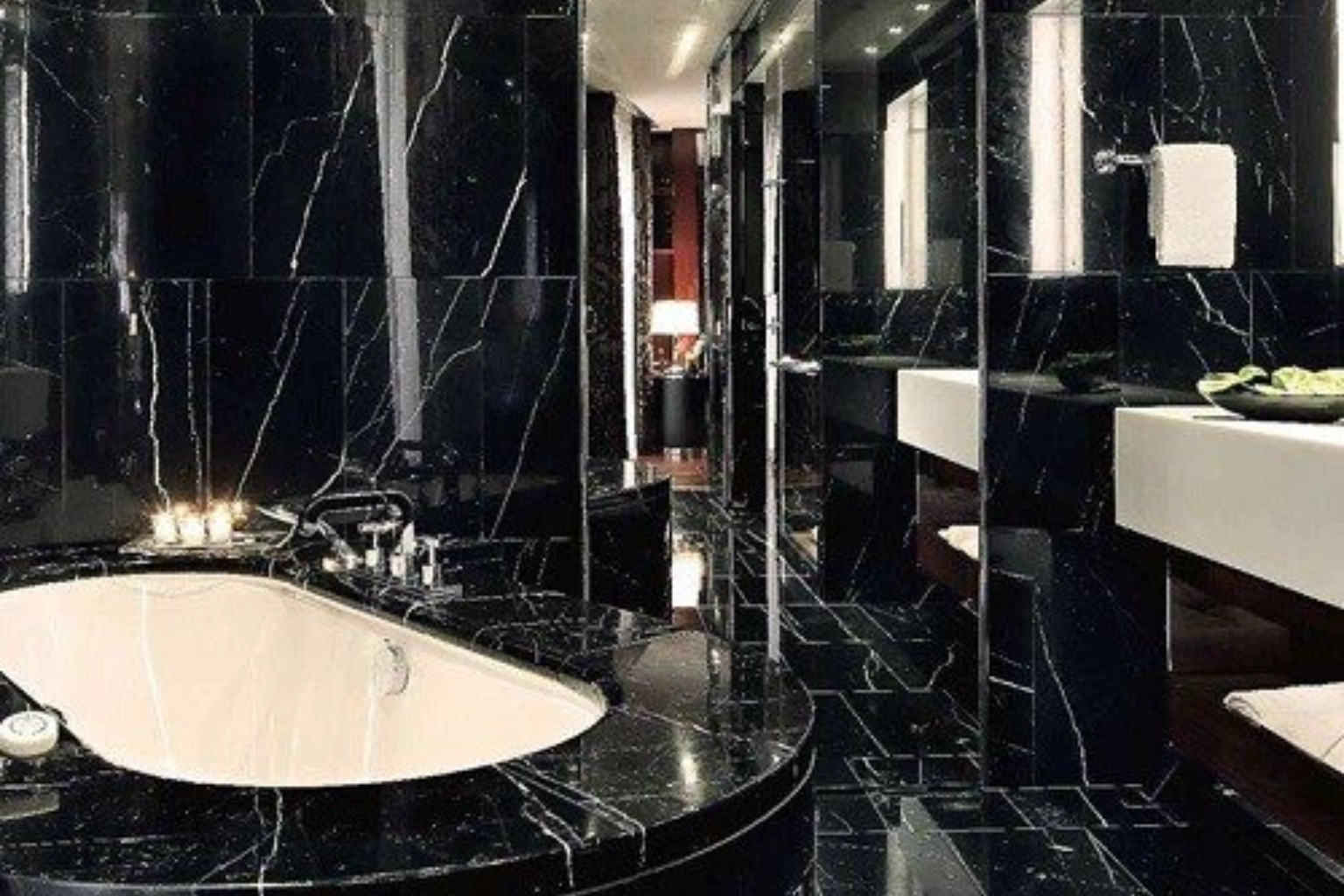
There’s something oddly timeless about black marble. Not loud, not flashy — just confident in a quiet sort of way. You walk into a room with dark stone accents and immediately feel the difference. It changes the mood without trying too hard. Maybe that’s why designers keep coming back to it, even while trends come and go every other season.
Among all the darker stones available today, nero marquina marble has managed to hold onto its place as a favorite for architects, homeowners, and interior stylists alike. And honestly, it’s not hard to see why.
A Stone That Feels Both Classic and Modern
Some materials age badly. Remember those glossy orange-toned tiles from the early 2000s? Yeah. Marble isn’t really like that, especially when it has character.
Nero Marquina stands out because of its deep black surface crossed with sharp white veining. Every slab feels slightly dramatic, but still refined. It works in ultra-modern apartments, boutique hotels, luxury bathrooms, even older homes that need a little contrast to wake them up.
What makes it interesting is that it doesn’t scream for attention. Instead, it pulls the eye naturally. A kitchen island finished in dark marble suddenly becomes the center of the house without needing oversized decor or expensive styling tricks.
And unlike overly patterned stones that can feel busy after a while, this marble has balance. The white veins create movement while the black base keeps things grounded.
Why Designers Love Using It
Interior designers usually talk about “visual weight.” Some materials feel heavy in a room, while others make spaces feel airy or soft. Black marble technically has a strong visual presence, but when used thoughtfully, it actually creates elegance rather than heaviness.
You’ll often see it paired with warm wood tones, matte brass fixtures, soft lighting, or even minimalist concrete textures. It adapts surprisingly well.
One designer I spoke with a while back described it perfectly: “Black marble is like a tailored black suit. You can dress it up or keep it understated, but it almost never looks wrong.”
That stuck with me.
Kitchens That Feel More Personal
For years, white kitchens dominated every home magazine and Pinterest board imaginable. Clean? Sure. But after a while, many of them started looking identical.
Dark marble surfaces changed that.
Using black marble in kitchens creates depth and personality. Even a simple countertop can completely shift the atmosphere. Suddenly the room feels warmer, moodier, more lived in. Not sterile.
People are also getting braver with mixing finishes now. Instead of matching everything perfectly, they combine natural stone with textured cabinets, open shelving, and imperfect handmade pieces. That layered look feels more human somehow.
A polished slab under soft pendant lighting late at night? Hard to beat that feeling.
The Maintenance Conversation Nobody Really Likes
Okay, so here’s the part people usually avoid talking about in luxury design articles.
Marble requires care.
Not obsessive care, but enough that you should know what you’re getting into before installing it everywhere. Acidic spills, harsh cleaners, or neglect can dull the finish over time. Natural stone develops wear. That’s part of its charm for some people, though admittedly not everyone agrees.
The good news is that sealing technology and proper finishing methods have improved a lot. With reasonable maintenance habits, marble surfaces can stay beautiful for decades.
And honestly, a little aging often gives natural stone more soul. Perfect surfaces sometimes feel cold anyway.
Bathrooms Feel Different With Dark Stone
There’s a hotel-like calm that dark marble brings into bathrooms. Especially when paired with warm lighting and minimal clutter.
A floating vanity against black-veined marble creates contrast without making the space feel cramped. In fact, when done correctly, darker stone can actually add depth rather than shrink the room visually.
Some homeowners worry black surfaces will make spaces feel gloomy. Usually the opposite happens. The stone reflects light in subtle ways, especially when polished, creating a softer atmosphere than bright white materials often do.
It feels quieter somehow.
Natural Materials Are Winning Again
For a while, synthetic materials tried really hard to imitate luxury stone. Some alternatives still have their place, especially for budget-focused renovations, but people are starting to appreciate authenticity again.
Natural imperfections matter.
Tiny shifts in pattern, irregular veining, subtle mineral differences — those details make a space feel real rather than manufactured. And in a world full of mass-produced interiors copied from social media feeds, authenticity stands out more than ever.
That’s probably one reason why designers continue recommending marble despite the upkeep conversations.
More Than Just a Trend
Good design usually survives trends because it’s rooted in emotion, not algorithms.
Black marble has existed in architecture for generations, and yet it still feels current. That’s rare. Materials usually lean either traditional or modern. This one somehow manages to stay comfortably between both worlds.
Whether used sparingly as an accent or installed boldly across larger surfaces, it adds atmosphere that few materials can replicate. There’s depth to it. Texture. Presence.
And maybe that’s what people are really searching for now — homes that feel less staged and a little more personal.
Related Posts

Upgrade Your Space with Smart Garage Lift Technology

The Overhead Storage Hack That Changed My Garage Forever