When You Finally Start Questioning Your Tap Water
It usually doesn’t begin with a big concern. No alarming news, no sudden health scare. It’s quieter than that. Maybe your tea tastes slightly different one week, or your shower leaves your skin feeling oddly dry. You pause for a second, shrug it off… and then it happens again.
That’s how it starts. A small curiosity that slowly turns into a genuine question—what’s actually in my water?
And once that question shows up, it tends to stick around.
That First Step: Curiosity Meets Clarity
For a lot of homeowners, the journey doesn’t begin with buying a system. It begins with understanding. Or at least trying to.
You don’t need to be an expert. You just need a little nudge—something that tells you whether your water is doing fine or quietly causing issues you haven’t fully noticed yet.
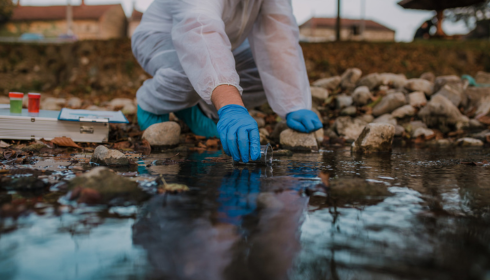
That’s where free water testing often becomes the turning point. It’s simple, accessible, and surprisingly eye-opening. You hand over a sample, and suddenly, you’re looking at numbers and readings that represent something you use every single day.
And it’s strange, in a good way. Because for the first time, water isn’t just “water.” It has characteristics, details, even a story.
What the Numbers Don’t Always Say (But Still Matter)
When you get those test results back, they can feel a bit… technical. pH levels, hardness, dissolved solids—it’s not exactly everyday language.
But here’s the thing: those numbers translate into real-life experiences.
High hardness might explain why your appliances seem to age faster. Certain minerals could be behind that metallic taste you couldn’t quite place. Even something as simple as chlorine levels can affect how your water smells.
This is where water quality analysis becomes more than just a report. It’s a bridge between raw data and your daily life. It connects the dots in a way that makes everything feel a little less random.
You start to understand why your soap behaves differently, or why your glassware never quite sparkles the way it should.
Not Every Home Needs the Same Fix
One of the biggest misconceptions people have is that there’s a universal “best” solution for water issues. There isn’t.
And honestly, that’s a good thing.
Your water is unique to your location, your plumbing, even your usage habits. What works perfectly for one household might be overkill—or not enough—for another.
That’s why jumping straight into buying equipment can sometimes lead to disappointment. Without context, it’s just guesswork.
Instead, solutions tend to work better when they’re shaped around actual needs. Not assumptions.
Finding the Right Fit (Without Overcomplicating It)
Once you understand your water, the next step feels a lot less overwhelming. You’re no longer trying to fix “everything.” You’re addressing specific concerns.
Maybe it’s hardness. Maybe it’s taste. Maybe it’s something you didn’t even know was an issue until you saw it on paper.
This is where customized treatment plans start to make sense. They’re not about throwing the most advanced system at the problem—they’re about finding balance. Enough filtration to solve the issue, without adding unnecessary complexity.
And there’s something reassuring about that approach. It feels intentional, not reactive.
The Little Things You Start to Notice
What’s funny is that once you make even a small change to your water setup, the results don’t usually arrive with a big announcement.
They show up quietly.
Your morning coffee tastes a bit cleaner. Your shower feels more comfortable. You stop scrubbing that same stubborn spot on your sink quite as often.
These aren’t dramatic changes, but they’re consistent. And over time, they add up to something meaningful.
It’s like adjusting the lighting in a room—you might not notice it instantly, but suddenly everything feels better.
When “Good Enough” Stops Feeling Good Enough
There’s a moment, somewhere along the way, when your perspective shifts.
What once felt normal—slightly off-tasting water, constant cleaning, minor annoyances—starts to feel unnecessary. Not because it was ever dangerous, but because you’ve experienced better.
And once you know better is possible, it’s hard to go back.
That doesn’t mean you need the most advanced system on the market. It just means you’re more aware. More intentional.
Maintenance Isn’t as Complicated as It Sounds
A lot of people hesitate when they hear about water systems because they assume it’s going to be a hassle. Constant upkeep, confusing instructions, expensive replacements.
But in reality, most modern setups are designed to be pretty straightforward.
Filters get replaced occasionally. Systems get checked once in a while. That’s about it.
It’s less of a burden and more of a routine—like changing the oil in your car or cleaning out your fridge. Not exciting, but manageable.
A More Thoughtful Way to Live With Water
At the end of the day, this isn’t really about technology. It’s about awareness.
Water is such a basic part of life that we rarely question it. But when we do, even briefly, it opens up a new way of thinking about our homes.
Not in a complicated, over-engineered way. Just in a more thoughtful one.
You start paying attention to the details. You make small adjustments. And without realizing it, you create an environment that feels just a little more comfortable, a little more reliable.
And maybe that’s all most people are looking for—not perfection, not complexity. Just water that does its job quietly, the way it’s supposed to.