Clean Water at Home and Work: Why It Matters More Than We Realize
Water is one of those things we rarely think about until something feels off. Maybe it’s a strange taste in your morning coffee. Maybe it’s white buildup on office faucets. Or maybe it’s that dry, tight feeling on your skin after a shower that makes you wonder if it’s the soap… or something else entirely.
The truth is, water quietly shapes our daily lives. It runs through our homes, our workplaces, our restaurants, our schools. We drink it, cook with it, clean with it. And yet, most of us never pause to consider whether it’s actually serving us the way it should.
That’s changing. More homeowners and business owners are starting to pay attention — not out of fear, but out of awareness.
The Shift in How We Think About Water
There used to be a simple assumption: if water comes from the tap, it’s fine. And in many cases, it meets basic regulatory standards. But “meets standards” doesn’t always mean optimal. Aging pipes, regional mineral content, seasonal fluctuations — all of it plays a role.
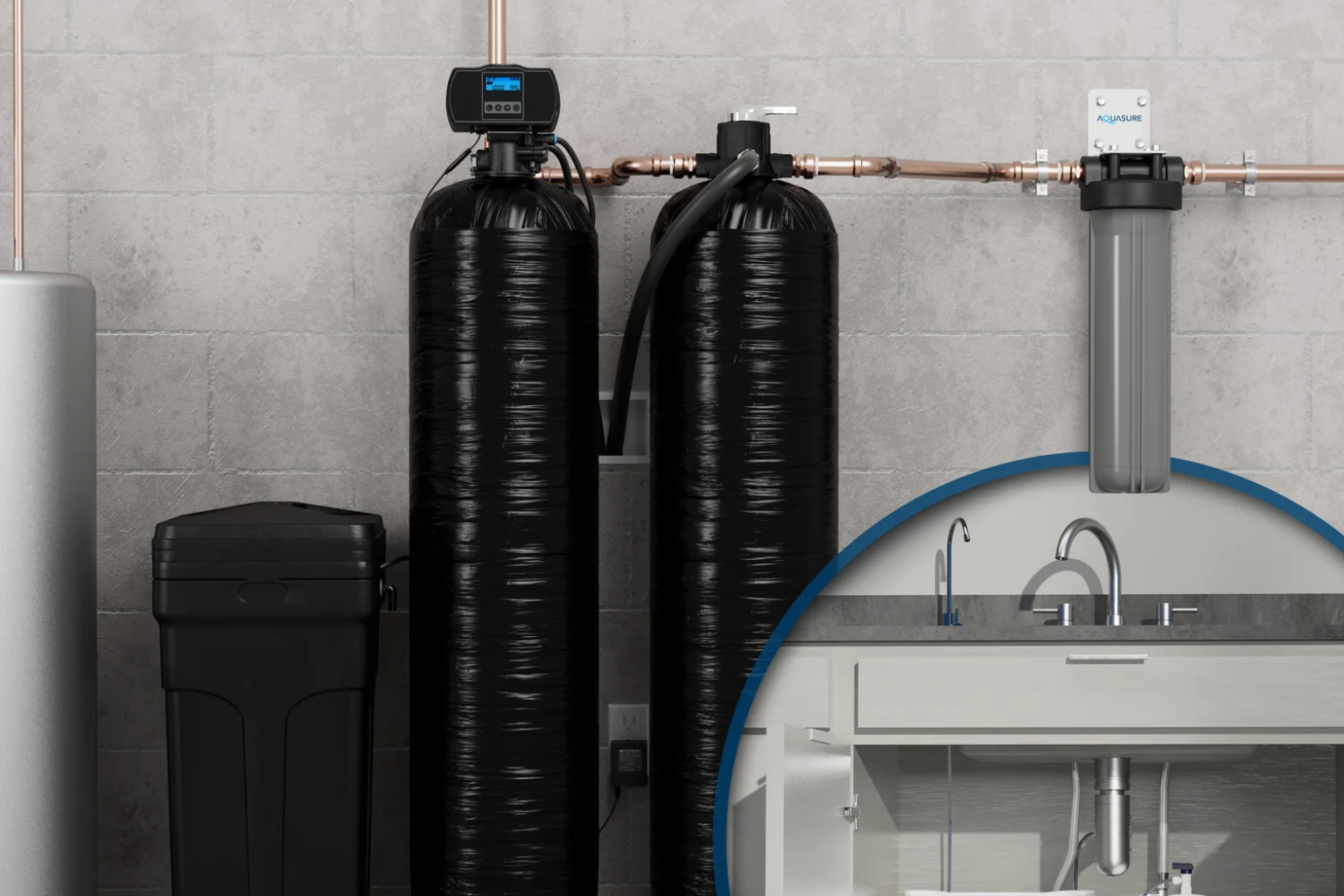
This growing awareness has led to increased interest in residential water systems designed to improve taste, reduce contaminants, and protect plumbing. These systems aren’t about luxury upgrades. They’re about control. When you install a filtration or softening system in your home, you’re essentially saying, “I want to know what I’m putting into my body and onto my skin.”
And honestly, that feels empowering.
For families, the impact is tangible. Better-tasting drinking water means fewer plastic bottles stacked in the pantry. Softer water means less scale buildup in appliances. Showers feel gentler. Laundry feels fresher. Small improvements, yes — but they add up.
When Water Quality Affects Business
Now shift the lens to a commercial setting. A café. A hotel. A manufacturing plant. Water quality isn’t just a comfort issue there — it’s operational.
Restaurants rely on consistent water taste for beverages and food preparation. Hotels need spotless glassware and functional plumbing. Industrial facilities depend on stable water conditions to protect expensive equipment. In these environments, poor water quality can translate directly into financial loss.
That’s where commercial water solutions step in. These systems are often more robust, engineered to handle higher volumes and specific operational demands. They can reduce mineral buildup in boilers, improve beverage consistency in coffee machines, and ensure compliance with health regulations.
But beyond efficiency, there’s brand reputation. Imagine a hotel guest noticing rusty water in the sink. Or a customer tasting chlorine in their soda. Those impressions linger. Clean, reliable water becomes part of the customer experience, even if it’s invisible when done right.
It’s Not Just About Taste
Taste is usually the first thing people notice. But water quality affects far more than flavor. Hard water, for instance, can shorten the lifespan of appliances. Minerals accumulate quietly inside pipes and heating elements. Over time, that scale becomes expensive.
There’s also the health perspective. While municipal water systems remove many harmful contaminants, trace elements can still be present. Sediment, chlorine byproducts, heavy metals — depending on location, these can vary.
Investing in better filtration is, at its core, about creating healthier water for daily use. That doesn’t mean panic or distrust of public utilities. It simply means taking an extra step to refine what enters your home or workplace.
For parents, this often hits home. Filling a baby bottle from the tap feels different when you know the water has been filtered specifically for contaminants relevant to your region. For businesses, it’s about providing a safe and comfortable environment for employees and customers alike.
Choosing the Right System Without Overcomplicating It
One mistake people make is assuming there’s a single “best” solution. There isn’t. Water conditions vary widely from one area to another. Even two houses on the same street can have slightly different results based on plumbing age.
Testing is essential. A proper water analysis reveals hardness levels, pH balance, iron content, and potential contaminants. From there, decisions become clearer.
Homeowners might choose a combination of softeners and filtration systems. Businesses might need multi-stage setups tailored to equipment demands. It’s not about buying the most expensive system. It’s about buying the right one.
And yes, maintenance matters. Filters need replacing. Systems require occasional servicing. It’s not glamorous work. But neither is replacing a failed water heater prematurely.
The Financial Perspective
Let’s talk numbers for a moment. Quality water systems require upfront investment. Installation costs, replacement filters, periodic servicing — these are real expenses.
But so are plumbing repairs. So are scale-damaged appliances. So is the steady purchase of bottled water over years. When you zoom out, the long-term math often makes more sense than the initial price tag suggests.
Businesses, in particular, tend to see measurable returns. Improved equipment lifespan, fewer repairs, consistent product quality — these benefits directly impact the bottom line.
At home, the return is more subtle but equally valuable. Comfort. Confidence. Convenience.
A Quiet Upgrade That Changes Everything
The interesting thing about water systems is that once they’re installed and functioning properly, you stop thinking about them. That’s the goal. Water flows cleanly. Appliances run efficiently. Guests don’t comment on strange tastes or smells.
It’s a quiet upgrade, the kind that doesn’t show up in glossy home magazines but makes daily life smoother.
We often focus on visible improvements — new countertops, updated lighting, fresh paint. But water? It’s foundational. It touches every corner of our routines.
Whether you’re a homeowner wanting better control over what your family drinks, or a business owner looking to protect your equipment and reputation, paying attention to water quality is a smart move.
Not flashy. Not dramatic. Just practical.
And sometimes, the most practical decisions are the ones that make the biggest difference over time.