Understanding Water Softener Plumbing: A Hands-On Guide for Homeowners Who Just Want Softer Water
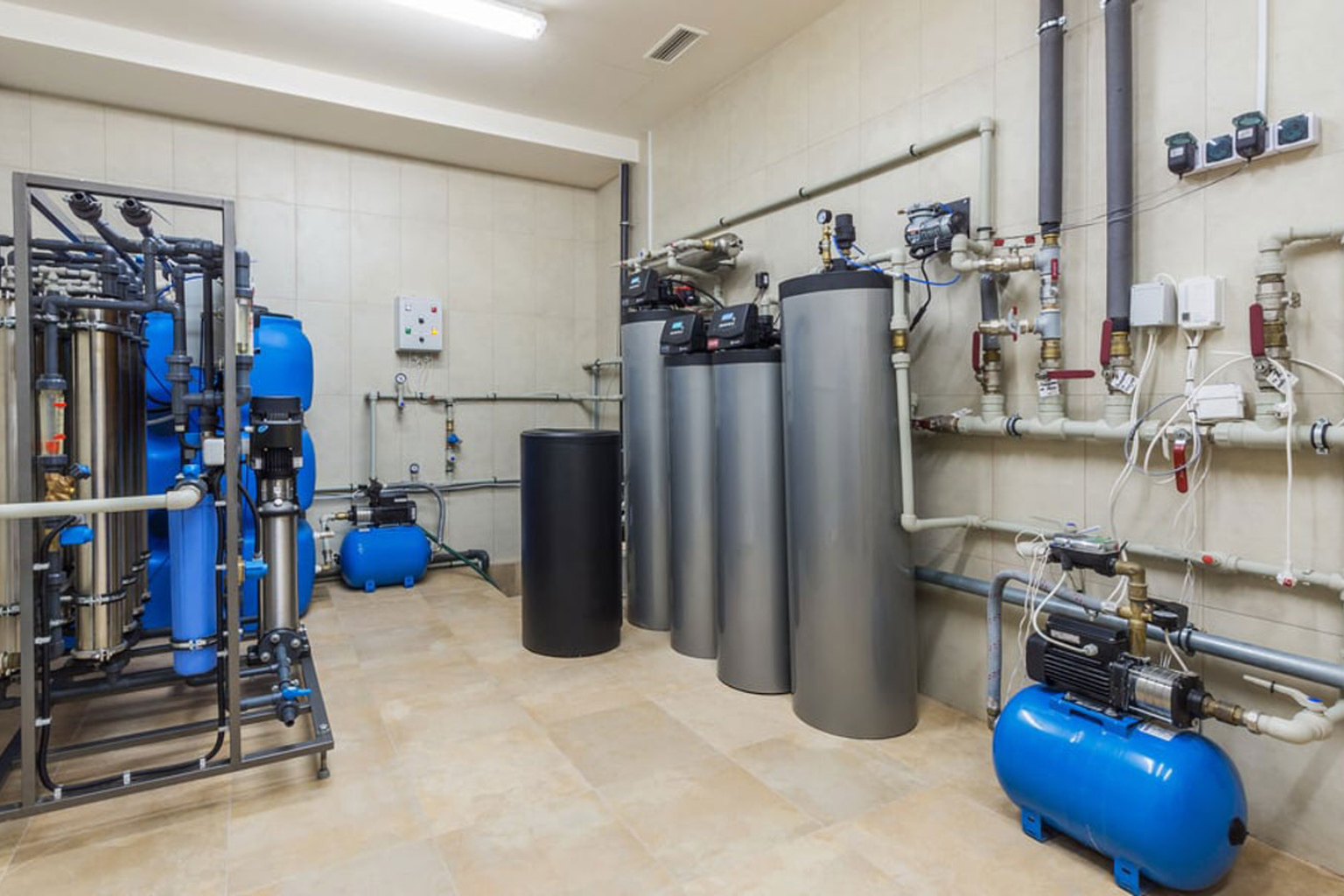
There’s something about soft water that just feels… better. Your hair rinses cleaner, your soap lathers richer, and your appliances don’t throw a tantrum every few months from scale build-up. But if you’re thinking of installing a water softener — or you already have one and want to understand what’s going on behind the scenes — the plumbing side of things can feel like uncharted territory.
You might’ve found yourself Googling phrases like “do I need a bypass valve?” or “what’s that weird T-connection near my brine tank?” — and now you’re staring at pipes, tanks, and valves wondering if you’ve stepped into a plumber’s secret lair.
Don’t worry. You’re not alone. Let’s break it down, human-style — no jargon, no condescending DIY manuals, just a clear explanation and a few real-world insights. Because, let’s face it: you shouldn’t need a master’s degree in plumbing to understand how water moves through your own house.
Plumbing 101: What Happens When You Soften Water?
Alright, here’s the quick version: a water softener is basically a filter that removes calcium and magnesium from your water — two minerals that cause all that annoying hardness. The softened water then flows through your home, leaving your pipes, dishes, and shower doors much happier.
But to make that happen, your plumbing has to reroute water through the softener system and then back into your home’s water supply. This isn’t just about connecting some hoses. It requires intention — and a thoughtful setup — which is where a plumbing water softener diagram can make a world of difference.
These diagrams show you how your softener is integrated into your home’s existing plumbing. From the main water line to the bypass valve, resin tank, brine tank, and drain connection — it’s all laid out clearly. Even if you never pick up a wrench, knowing what each part does helps you feel more in control.
Following the Flow: Understanding the System Step by Step
Picture this: water comes into your house from the main line. It flows through a shut-off valve, then ideally into a bypass valve — which allows you to route water around the softener if needed (more on that in a second). After that, it heads into the resin tank where the softening magic happens — ion exchange, if you want to get technical.
From there, softened water goes back into your house’s plumbing. But the story doesn’t end there — you’ll also have connections to a drain (for flushing the resin during regeneration) and a brine tank (where salty water gets used during the recharge process).
A good water softener plumbing diagram will show this whole process visually — and that’s really the best way to learn. You see how the lines curve, where fittings go, and how shut-off valves make your life easier when repairs roll around.
The Real MVP: The Bypass Valve
Now, let’s talk about something that doesn’t get enough credit — the bypass valve. This unsung hero lets you literally “bypass” the softener if needed. Say your softener breaks, or you’re doing maintenance — flip the valve, and your water just flows normally without being treated.
Most modern systems come with a built-in bypass, but it’s something to double-check. And if you’re glancing at your unit trying to figure out what those three levers or knobs do, a water softener bypass diagram can really help. It maps out the flow through each setting (service, bypass, and off), making it easy to know what’s happening when you turn one knob vs another.
Honestly, if you’ve ever stood in your basement staring at a bunch of tubes and thinking “why is there water all over the floor?” — this diagram might just save your Saturday afternoon.
Where Should the Water Softener Actually Go?
Great question. Ideally, it should be placed as close to where the water enters your home as possible — before the water reaches fixtures, appliances, and pipes that might be affected by hard water. This ensures your entire home benefits.
That said, you might not want to soften the water that goes to your outdoor spigots. Plants don’t love salt. So it’s common to leave an outdoor line untreated, and diagrams will typically show this split clearly.
Garage, utility room, basement — any place that stays dry, has access to a drain, and a nearby power source can usually work. But don’t just eyeball it. Consider consulting a professional or at least referencing a detailed plumbing layout before you commit.
A Quick Word on DIY vs Hiring a Pro
Installing a softener isn’t the hardest job in the world… but it’s not a cakewalk either. If you’re comfortable cutting into pipes and know your way around basic plumbing tools, sure — you might be able to do it yourself. But one small misstep (like a reversed inlet/outlet connection) and you’ll be softening your hose bib instead of your drinking water.
If you go DIY, definitely reference a trusted plumbing water softener diagram and triple-check connections. Leak tests are your friend.
If you hire a plumber, you’re paying for peace of mind. And in many cases, they’ll install a neat, accessible, and code-compliant system that looks like a work of art. You’d be surprised how clean a good install looks.
Living With a Water Softener: What to Expect
It’s not all pipes and diagrams. Once your system’s up and running, things get pretty easy. Every few weeks, you’ll top off the brine tank with salt. Once a year, maybe clean out the tank or replace a filter, depending on your model.
Most of the time, though, the system runs in the background. You’ll just start noticing little things — your soap works better, your skin doesn’t feel as dry, and your coffee maker stops making that weird hissing sound.
Troubleshooting Like a Pro
Let’s say you wake up and your water smells weird, or your softener starts running too often. A diagram can actually help you troubleshoot. Knowing how your system is plumbed — and what each valve does — gives you the power to spot where something might be off.
For example, if water suddenly tastes off, maybe the bypass valve got flipped. If there’s water around the unit, maybe the drain line is clogged. Instead of panicking or calling support right away, you can make an educated guess — and maybe even fix it.
That’s the magic of understanding your system.
Final Thoughts: It’s Your Home, You Deserve to Understand It
You don’t have to be a plumber to appreciate the beauty of a well-installed water softener. You just need a little curiosity, a few basic terms, and maybe a water softener plumbing diagram taped to your wall somewhere in the basement.